Have you noticed the tall, three-story homes with stacked porches lining many New Bedford blocks and wondered what makes them special? If you are exploring a first home, a house-hack, or a small investment, triple-deckers can offer a lot of value in one address. You want a clear picture of what they are, how they are built, and what to look for before you buy. This guide explains the essentials, from layouts and systems to parking, zoning, and your due diligence checklist. Let’s dive in.
Triple-decker defined in New Bedford
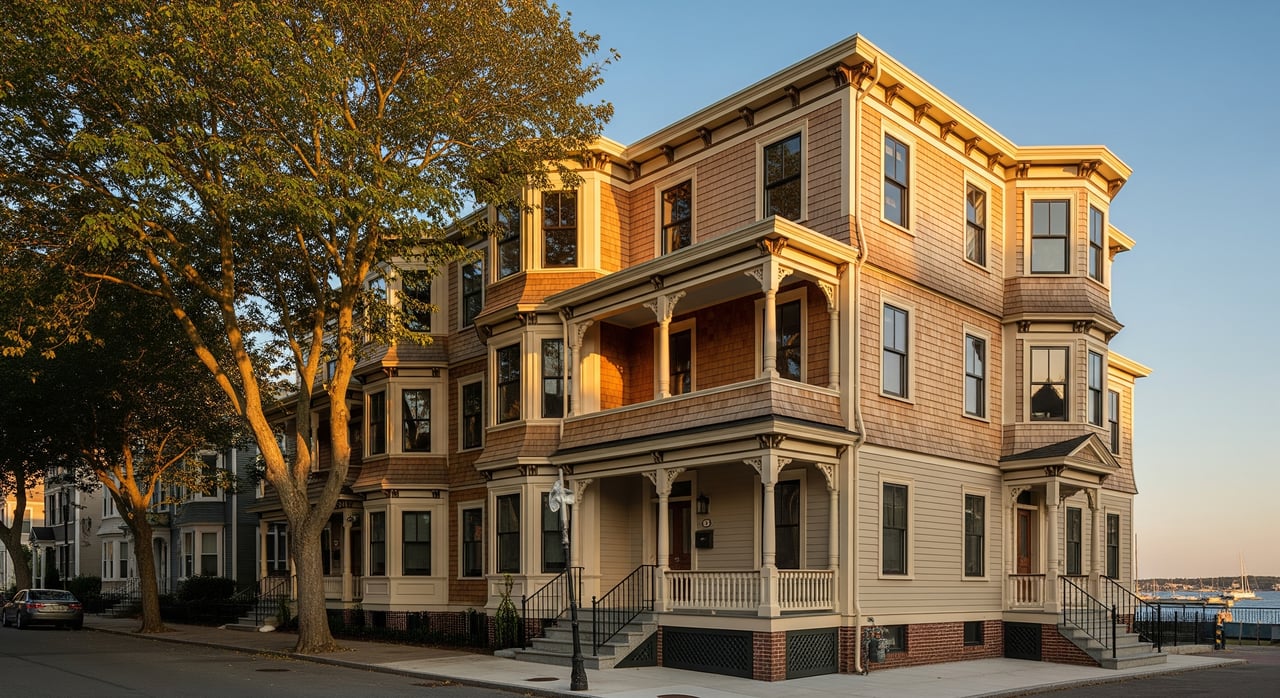
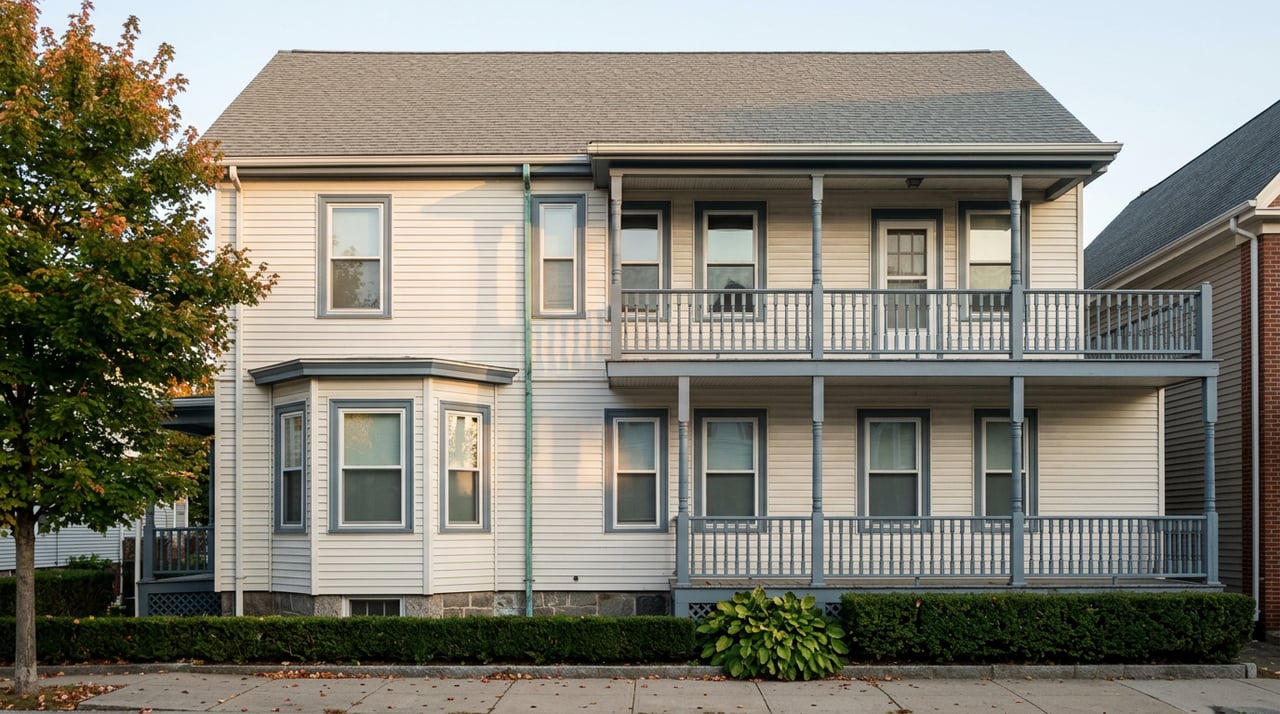
A triple-decker, also called a three-decker, is a three-story, wood-framed multi-family home with one dwelling unit on each level. You will find them throughout New England mill cities, and New Bedford has many due to its industrial history and dense neighborhoods.
These homes were built primarily in the late 19th and early 20th centuries to house workers near mills and employers. Developers focused on affordability and density on narrow urban lots, which still shapes floorplans, materials, and maintenance needs today.
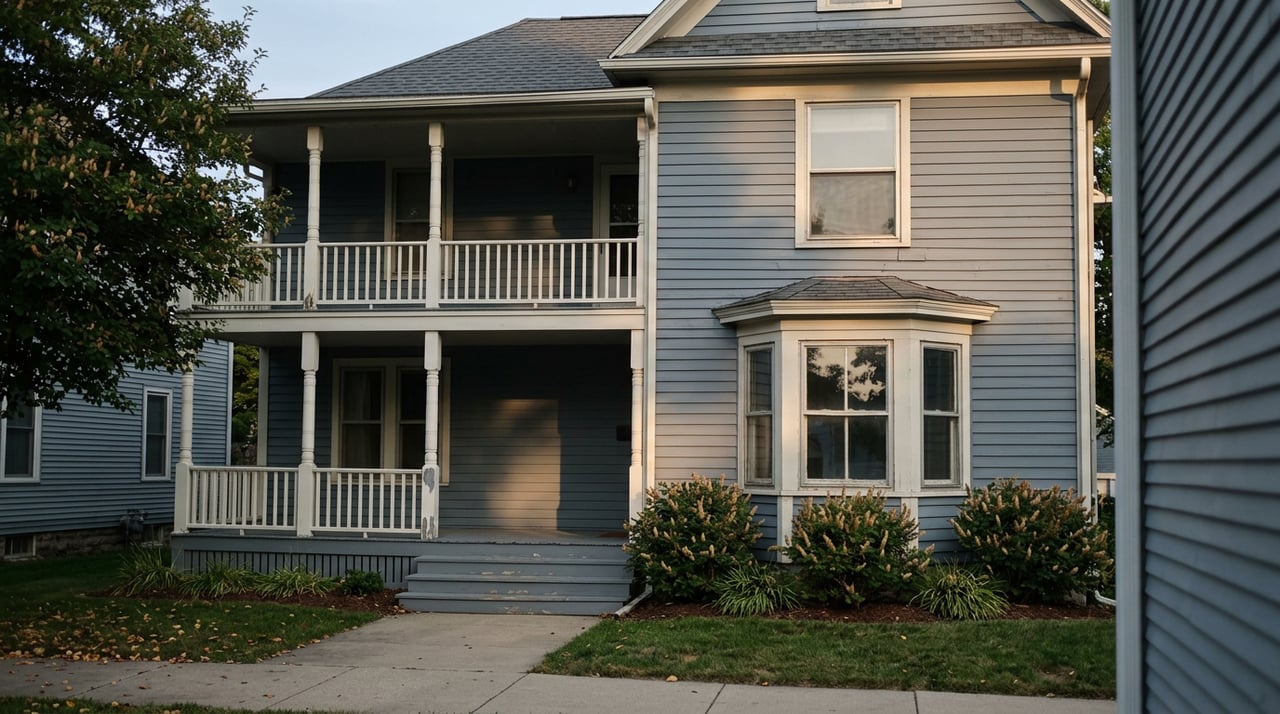
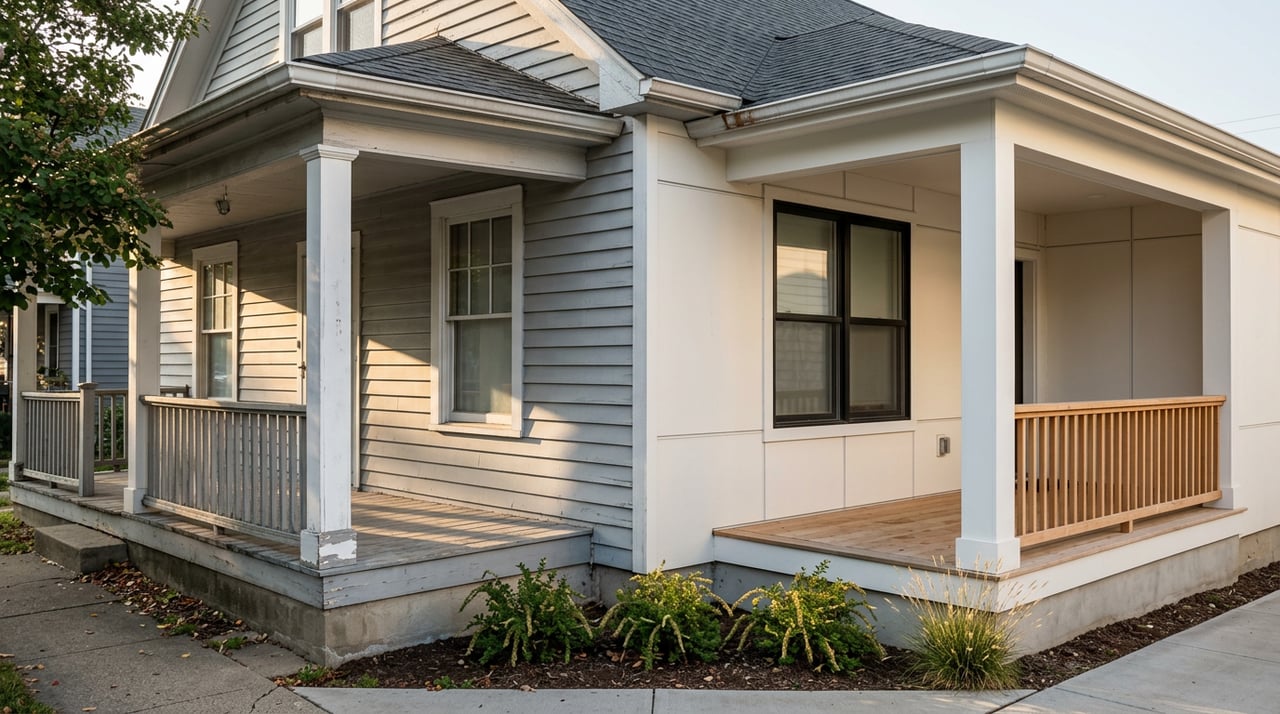
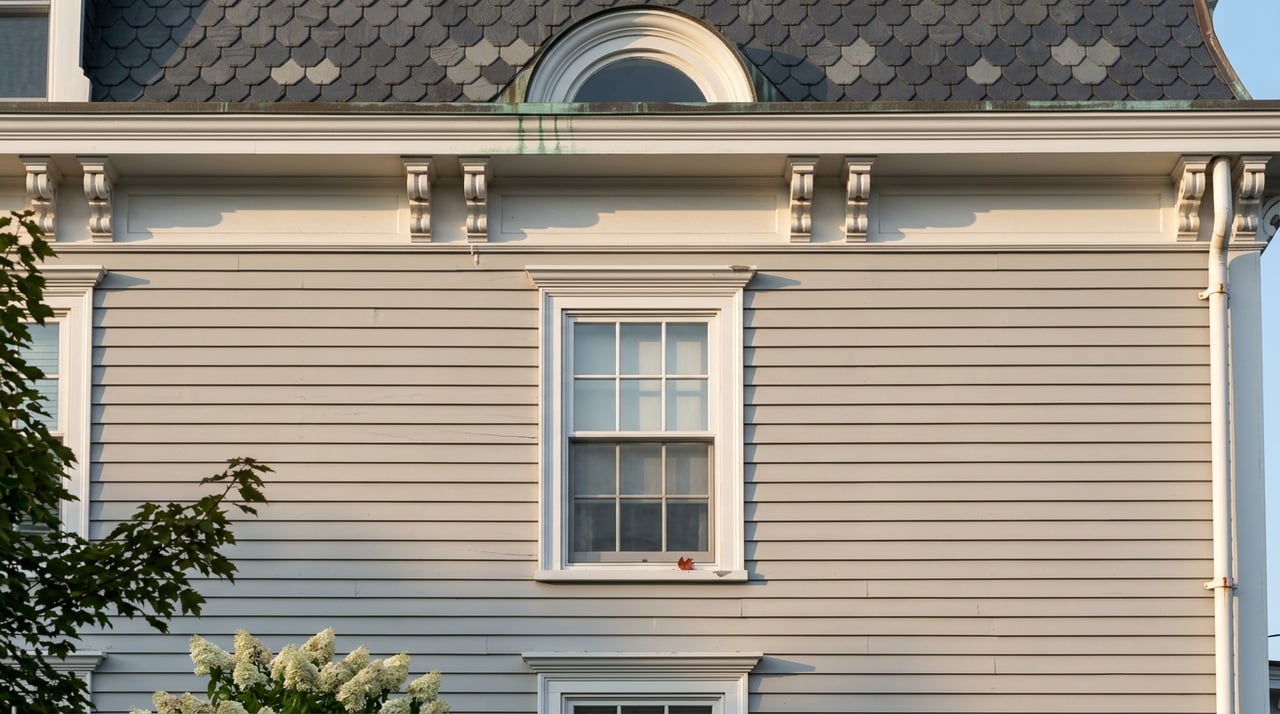
Common exterior cues include stacked front porches or projecting bays, wood clapboard or shingle siding that may have been replaced with vinyl, and a flat or low-pitched roof. Most have a basement or cellar and a narrow footprint that fits tight city parcels.
Typical layouts and features
Common floorplans
- One apartment per floor: first, second, and third.
- Most units have 2–3 bedrooms, a living room, and an eat-in or compact kitchen. Some buildings have units ranging from studios to 4 bedrooms, depending on prior conversions.
- Hallways and staircases run the full height of the building, with a shared entry and interior or rear stairs for egress.
- Basements often contain mechanicals, laundry hookups, storage, and sometimes secure tenant storage rooms.
Architectural elements
- Exterior materials: originally wood clapboard or shingle; many were later re-sided in vinyl.
- Porches and bays: stacked porches are common and can be key maintenance items.
- Roofs: flat or low-pitched gable. Flat roofs use membranes or roll roofing and require diligent upkeep.
- Foundations: older masonry such as fieldstone, rubble, or granite block.
- Interiors: you may find original trim, hardwood floors under later coverings, and plaster walls that have been patched over time.
Variations and conversions
- Some triples are reconfigured for owner-occupancy, such as combining floors for a larger unit.
- Attics are often unfinished. If finished space was added, confirm proper permitting and egress.
- Mixed-use conversions are uncommon on quiet residential streets but appear near commercial corridors.
Building systems to evaluate
Older triple-deckers were built fast and have seen generations of updates. A careful look at structure, systems, and safety will help you budget and negotiate.
Structure and envelope
- Framing: historic balloon framing is common. Watch for sloping floors, sagging ceilings, and signs of past alterations.
- Foundation: look for moisture intrusion, mortar deterioration, bulging stone, and settlement.
- Siding and trim: check for rot behind cladding, especially around bays and porches. Verify flashing and porch support condition.
- Roof: flat and low-slope roofs can pool water and show patchwork repairs. Roof replacement is a frequent large expense.
Moisture, insulation, and windows
- Many older triples have little insulation and single-pane windows. Expect heat loss unless upgraded.
- Basements and roof details can lead to dampness or mold. Look for efflorescence, musty odors, dehumidifiers, or prior remediation work.
Electrical
- Original knob-and-tube or early two-wire systems may still exist in very old buildings. Many have upgraded panels and modern wiring, but verify service size and capacity.
- Overloaded circuits and limited service are common in multi-unit buildings and can affect insurance.
Plumbing
- Older supply and waste lines may be galvanized steel, lead, or cast iron. Many homes have partial or full repipes with copper or PEX.
- Water heater setups vary: one shared tank in the basement or individual units per apartment. Note the age and location.
Heating and hot water
- Historic systems were coal or steam. Today you might see oil-fired boilers, natural gas boilers or furnaces, or separate unit systems.
- Configurations include one central boiler with zones or separate systems per floor. Separate systems can simplify tenant utility responsibility but add appliances to maintain.
- Chimney condition matters for venting. Budget for lining or repairs if needed.
Environmental and hazardous materials
- Pre-1978 buildings may contain lead-based paint. If you plan to rent, testing and mitigation may be required by law.
- Asbestos may be present in pipe wrap, insulation, or floor tiles. Testing is recommended if you suspect it.
- Old oil tanks, whether underground or above ground, can be costly to address. Investigate prior fuel use and tank status.
Fire and life safety
- Multi-unit buildings must meet smoke and carbon monoxide detector requirements and have safe egress.
- Confirm proper stair width, handrails, fire separation between units, and the condition of porches used as exits.
Parking, lots, and neighborhood fit
Lot and parking patterns
- Many triple-deckers sit on tight urban lots with limited off-street parking. Driveways or garages are less common on older blocks.
- On-street parking rules and neighborhood demand will affect tenant preferences. Observe usage at different times of day and review local ordinances.
- If the lot allows, creating off-street spaces can add value. Always check for curb cut rules and fire access requirements.
Walkability and transit
- Triple-deckers are often near commercial corridors, bus routes, and employers. This location pattern tends to attract renters who value proximity to daily needs.
- Being close to downtown New Bedford and transit routes can support rental demand, but confirm block-by-block conditions during your visits.
Zoning and occupancy
- Zoning controls allowed uses, lot coverage, parking requirements, and whether you can combine units or add space.
- Check the City of New Bedford zoning map and consult the planning department before planning renovations or conversions.
Owner-occupant vs investor
Owner-occupant advantages
- Live in one unit and rent the other two to offset your mortgage and expenses.
- Owner-occupied multi-family loans may offer more favorable terms than pure investment loans.
- You can manage the property closely and respond quickly to maintenance.
Owner-occupant considerations
- You will share walls, stairs, and common areas with tenants, which can impact privacy.
- Landlord responsibilities are part of daily life. Be clear about expectations and boundaries from day one.
Investor appeal
- Triple-deckers offer three income streams under one roof, with simpler logistics than multiple scattered properties.
- You can realize economies of scale on roof, siding, or porch work that benefits all units.
- Risks include concentrated income in a single property, capital expenses on older systems, and the need for either hands-on management or a manager.
Financing and insurance basics
- Most triple-deckers fall under 2–4 unit residential lending. Terms differ for owner-occupants versus investors.
- Insurance underwriting will consider the roof, electrical, heating systems, and age of the building. Modernized systems can improve insurability and premiums.
Practical buying checklist
Pre-offer market research
- Review comparable rents for similar bedroom counts in nearby New Bedford neighborhoods.
- Ask trusted local agents about vacancy trends and tenant expectations.
- Review the Assessor’s records for tax history and recent assessments.
- Confirm zoning and any parking requirements with the city.
On-site inspection checklist
- Exterior: roof age and condition, gutters, porches, siding, and foundation.
- Interiors: floor levelness, stair condition, signs of leaks such as stains or peeling paint.
- Mechanical systems: heating type and age, hot water units, plumbing pipe materials, and electrical panel capacity.
- Safety: smoke and CO detectors, egress paths, handrails, and porch stability.
- Moisture: basement dampness, drainage and grading, sump pump presence.
- Environmental flags: peeling paint that could indicate lead, materials that may contain asbestos, past or present oil tanks.
- Unit separations: verify legal bedroom counts and egress windows. Confirm permits for any conversions.
Financial and rental evaluation
- Request leases, rent rolls, and payment history. Note lease expirations and security deposits.
- Confirm who pays which utilities and review recent bills if possible.
- Estimate capital expenditures for roof, heating systems, electrical upgrades, siding, windows, and porch repairs. Seek contractor estimates for known issues.
- Compare actual rents to market potential. Modest upgrades to kitchens, baths, and paint can influence rents in older units.
Due diligence and inspections to order
- Full property inspection with a professional experienced in older multi-family housing.
- Licensed electrical and plumbing evaluations as needed.
- HVAC inspection and chimney camera inspection if applicable.
- Environmental testing for lead paint and asbestos if suspected.
- Oil tank sweep and soil testing if you suspect an underground tank.
- Building department records review to confirm past permits and unit legality.
Tenant and management considerations
- Identify your likely tenant pool and what they value in this block, such as parking or laundry.
- Plan for record-keeping, maintenance response, and communication. If you prefer not to self-manage, budget for a property manager.
Renovation cost drivers
While every building is unique, several big-ticket items appear often in New Bedford triple-deckers:
- Roof replacement on flat or low-slope roofs, including proper drainage and flashing.
- Heating system modernization, especially conversions from older oil or steam setups.
- Electrical service upgrades and panel replacements to meet today’s load.
- Lead hazard control in pre-1978 buildings if you plan to rent to families with children.
- Asbestos abatement when found in pipe wrap or flooring.
- Window replacement and insulation to reduce heat loss.
- Porch and stair repairs for safety and egress.
When a triple-decker fits your plan
A triple-decker can be a smart path into New Bedford homeownership or small-scale investing. If you want to reduce your housing cost, living in one unit while renting the other two can help stabilize your monthly budget. If you want a manageable investment, three units in one location can streamline operations and concentrate upgrades where they matter most.
Your best next step is to tour several properties, compare rent potential and expenses, and line up inspections that reflect the building’s age and systems. With the right plan and a thorough review, a triple-decker can be a practical, long-term asset.
Ready to see how a New Bedford triple-decker could work for you? Reach out to Luis Rodrigues for a quick strategy call. You will get actionable advice, bilingual support in English, Spanish, or Portuguese, and a clear path from tour to close.
FAQs
What is a triple-decker house in New Bedford?
- A triple-decker is a three-story, wood-framed multi-family with one apartment per floor, common in New Bedford’s historic neighborhoods.
How many bedrooms are in each triple-decker unit?
- Most units have 2–3 bedrooms, though you may find smaller or larger layouts depending on past renovations or conversions.
Are triple-deckers good for first-time investors?
- They can be, especially if you plan to live in one unit and rent the others, but you should budget for older-building upgrades and management tasks.
What are the biggest renovation costs in triple-deckers?
- Roof replacement, heating system updates, electrical service upgrades, porch repairs, and any required lead or asbestos mitigation often drive costs.
Is parking usually available with these properties?
- Off-street parking is limited on many lots, so on-street parking is common; always confirm local rules and observe neighborhood demand.
What inspections should I order before buying?
- A full property inspection plus specialized electrical, plumbing, HVAC, chimney, and environmental testing as needed, along with a building department records review.
How do I estimate rental income in New Bedford?
- Compare similar nearby units by bedroom count and condition, review current leases, and consider how modest updates could affect rental rates.