Thinking about lowering your monthly housing cost without sacrificing space or location? In Fall River, many buyers do exactly that by living in one unit of a small multi-family and renting the others. If you want a practical path into homeownership while building equity, house hacking a 2 to 4 unit can be a smart move. In this guide, you’ll learn how it works in Fall River, the main financing routes, what lenders count for rental income, example numbers, and the due diligence steps that help you buy with confidence. Let’s dive in.
Why house hacking works in Fall River
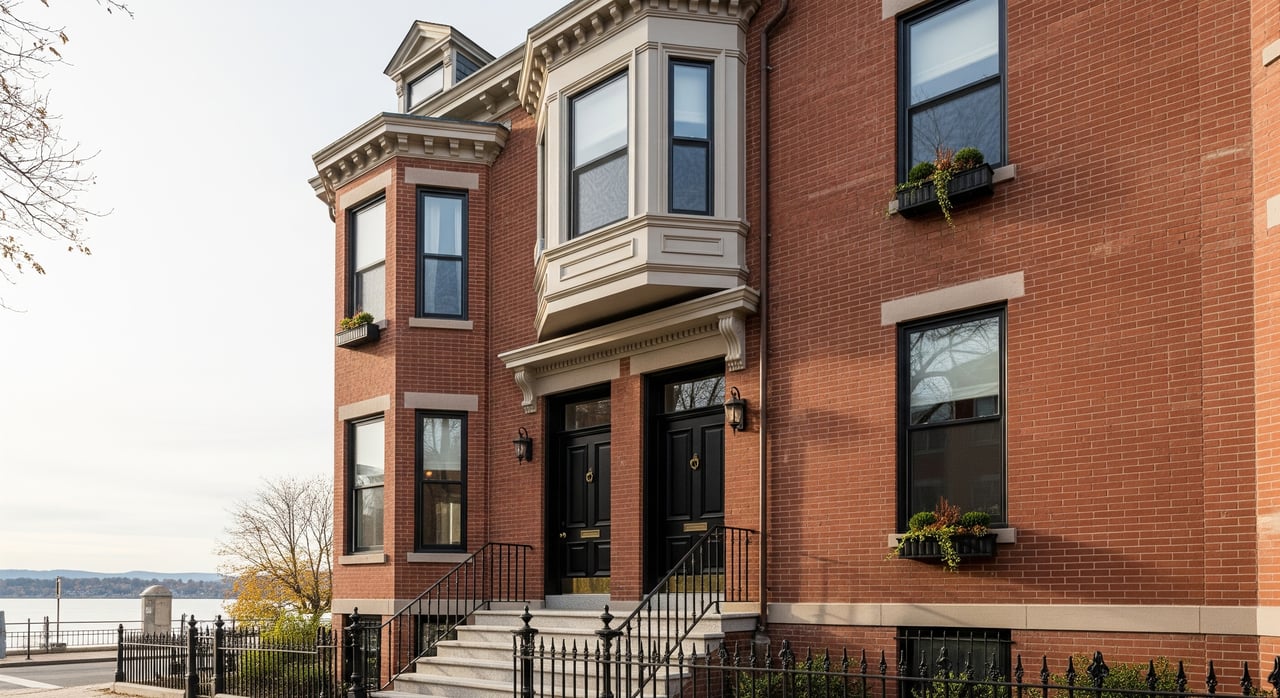
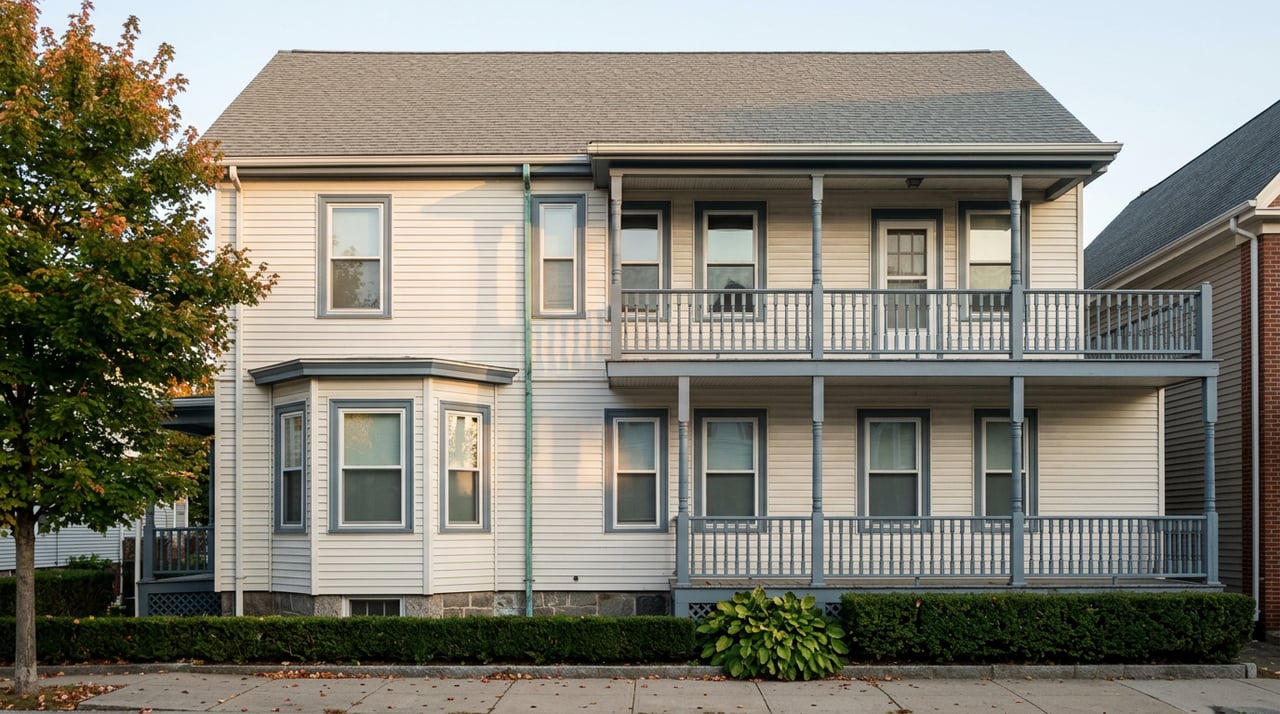
Fall River has a large supply of older 2 to 4 unit properties, including classic triple-deckers. These buildings are common choices for owner-occupants who use rent from the other units to offset costs. Compared with some nearby coastal and suburban markets, entry prices have often been lower, which attracts first-time buyers and small investors. Prices and rents change with the broader market, so you should use current listings and rent comps when you run numbers.
Many buildings were built before 1978, so you need to plan for maintenance and potential lead-based paint disclosure and compliance. Older systems may also need updates. It is important to identify any city rental registration or inspection requirements before you buy or lease.
Financing options for 2 to 4 units
FHA owner-occupied
- FHA allows 1 to 4 unit purchases when you will live in one unit.
- Many buyers use FHA for the commonly quoted low down payment of 3.5% for eligible borrowers. FHA requires both upfront and annual mortgage insurance that affects your payment.
- You typically must move in within about 60 days and intend to occupy for at least 12 months.
- Lenders can count some rental income from the other units when you qualify, based on documented market rents or leases.
Conventional loans
- Conventional underwriting and minimum down payments vary by lender and unit count. For 2 to 4 units, many lenders require higher down payments than for single-family homes.
- Private mortgage insurance may apply until you reach a target loan-to-value.
- Lenders may recognize existing lease income or a portion of market rents with proper documentation. Standards are usually stricter than FHA.
VA loans for eligible veterans
- VA financing can be used on 1 to 4 unit properties when you will occupy one unit.
- Many qualified borrowers can buy with no down payment, subject to entitlement and local limits.
- VA has occupancy and property condition standards you must meet.
MassHousing and assistance programs
- Some Massachusetts programs offer lower down payment options, rate advantages, or down payment assistance for eligible buyers. Some allow multi-unit purchases when you will live in one unit.
- Income limits and first-time buyer requirements may apply. Program details vary, so compare options.
Portfolio and community bank options
- Local banks and credit unions sometimes offer flexible portfolio loans on owner-occupied multi-units.
- These loans may use different down payment rules and income treatment. Rates and terms can differ from standard programs.
How lenders use rental income
What counts as income
- Current leases: Many underwriters will count rent from existing leases when they are verified with documents and proof of receipt.
- Market rent projections: If a unit is vacant, lenders often discount projected market rents and count only a portion when qualifying you. A common practice is to use a percentage of fair market rent.
- Schedule E history: If you already have rental history, lenders may review your tax returns.
Documents to prepare
- Signed leases, rent deposits or bank statements, and market rent comparisons.
- Appraisers for FHA may provide market rent estimates for each unit.
- Expect lenders to apply standard vacancy and expense assumptions. They usually do not count gross rent dollar for dollar.
Occupancy rules to remember
- Owner-occupied loans require you to live in one unit as your primary residence.
- FHA and VA have specific occupancy timelines. Conventional lenders also expect primary occupancy.
Example numbers you can adapt
The examples below show the mechanics only. Replace the figures with current Fall River list prices, taxes, insurance quotes, and rent comps before you decide.
Example A: Duplex house hack
- Purchase price: $350,000
- Loan type: FHA with a 3.5% down payment for an eligible borrower
- Estimated PITI: $2,300 per month (includes principal, interest, taxes, insurance, and FHA mortgage insurance)
- Rent from second unit: $1,300 per month
- Operating expenses and reserves set aside: $400 per month
Net effect: Gross rent is $1,300. After a $400 monthly set-aside for vacancy, maintenance, and reserves, the net rent offset is $900. Your effective monthly housing cost is about $2,300 minus $900, or $1,400. Your results will vary based on real rates, taxes, insurance, and rents.
Example B: Triple-decker
- Purchase price: $500,000
- Loan type: Conventional owner-occupied or FHA, depending on your eligibility
- Estimated PITI: $3,200 per month
- Combined rent from two units: $2,400 per month
- Operating expenses and reserves set aside: $800 per month
Net effect: Gross rent is $2,400. After an $800 set-aside, net rent contribution is $1,600. Your effective monthly housing cost is about $3,200 minus $1,600, or $1,600.
Plug in your own numbers
Use this quick table to test a property you are considering. Start conservative on rents and round up on expenses.
| Item |
Your number |
| Purchase price |
|
| Down payment % |
|
| Interest rate |
|
| Rent per unit |
|
| Property taxes (annual) |
|
| Insurance (annual) |
|
| Vacancy reserve % |
5 to 10% |
| Maintenance/repairs % |
5 to 10% |
| Management fee % (if used) |
8 to 12% |
| CapEx per unit per year |
$500 to $1,500 |
Expenses and reserves to plan
Budget categories to include
- Property taxes and hazard insurance. Multi-unit policies can differ from single-family policies.
- Utilities for common areas or any owner-paid services.
- Maintenance and repairs, turnover costs, and bookkeeping or tax prep.
- Property management fees if you do not self-manage.
- Legal and compliance costs for inspections, registrations, or certificates.
Reserve planning that protects you
- Minimum operating reserve: at least 3 months of PITI plus typical monthly operating expenses.
- Older multi-units: 6 to 12 months of PITI plus operating expenses is a prudent target.
- Replacement reserve: budget $500 to $1,500 per unit per year for major systems.
- Keep a separate emergency fund for big surprises like a roof or boiler.
Due diligence in Fall River
Inspections and building condition
Hire a home inspector who understands multi-family buildings. Pay special attention to the roof, foundation, heating systems, electrical, plumbing, and moisture issues common in older properties. Properties built before 1978 require lead-based paint disclosure, and there may be additional Massachusetts lead safety steps, especially if children under six will occupy a unit.
City compliance checkpoints
Before you buy or rent out units, verify local requirements with the City of Fall River. Contact the Building Department, Planning or Zoning, Health Department, and the Tax Assessor. Ask about rental registration, inspection schedules, and any certificate of occupancy that may be needed.
Tenant screening and leases in Massachusetts
Screen tenants with a consistent process. Many landlords verify credit, income, rental history, and references, and may run background checks where permitted. Follow Massachusetts rules for security deposits, last month’s rent, and timelines for returns. Use a clear written lease that outlines utilities, maintenance responsibilities, and access for repairs. If an eviction is ever required, Massachusetts has a legal process and timelines that you must follow.
Manage yourself or hire a manager
Owner-occupants often self-manage to save money. This can work if you have time, knowledge of local landlord-tenant laws, and solid communication skills. A property manager typically costs 8 to 12 percent of collected rent and can help with tenant placement, maintenance coordination, and turnover. Choose the route that fits your time and comfort level.
First steps to get started
- Get preapproved and ask lenders how they count projected rent, what reserves they require, and any unit-specific conditions.
- Review current listings and rent comps for duplexes and triple-deckers in Fall River.
- Tour promising properties and line up inspection quotes for any major items.
- Build a conservative reserve plan based on your loan and expenses.
- Decide whether you will self-manage or hire a manager and set your screening criteria.
If you want a local read on which properties pencil out, Luis Rodrigues can review active Fall River multi-unit listings and current rent comps with you, then map out financing and a step-by-step plan. Ready to run your numbers and tour the best options? Schedule a Free Consultation with Luis Rodrigues.
FAQs
Can I use an FHA loan to live in one unit and rent the others?
- Yes. FHA allows 1 to 4 unit purchases when you will occupy one unit, with down payment, mortgage insurance, and occupancy rules you must follow.
How much down payment do I need for a duplex or triple-decker?
- It depends on the loan. FHA is often quoted at 3.5% down for eligible borrowers, while conventional loans for 2 to 4 units often require higher down payments. Get a current preapproval for exact terms.
Will my lender count rent from the other units when qualifying me?
- Many lenders count some rental income if you provide documentation such as leases or market rent estimates. They often apply vacancy and expense adjustments rather than counting gross rent in full.
What if the property needs repairs I did not expect?
- Protect yourself with thorough inspections, accurate contractor estimates, and strong reserves. Use contingencies where appropriate and be ready to negotiate repairs or credits.
Do I have to manage tenants myself if I live there?
- No. Many owner-occupants self-manage, but you can hire a property manager for a fee, often 8 to 12% of collected rent.
Are there local registrations or inspections required in Fall River?
- Many Massachusetts cities require rental registration, inspections, or certificates. Contact Fall River’s Building, Zoning, Health, and Tax Assessor offices to confirm current requirements before you buy or lease.