Selling a Home in Providence With Smart Prep and Pricing
July 9, 2026
July 9, 2026
Thinking about selling your home in Providence? In a market where homes are moving quickly and many sell at or above asking price, the right plan can make a real difference. If you want to know when to start, what to fix, and how to price without leaving money on the table, this guide will walk you through it. Let’s dive in.
Selling a home in Providence usually starts earlier than many owners expect. Even in a fast market, the best results often come from planning ahead instead of rushing to list. Your timeline can range from several months of prep to a few focused weeks, depending on your home’s condition and your goals.
Recent market data shows that Providence homes have been selling in about 28 to 32 days, depending on the source and reporting window. Redfin reported a median sale price of $579,653, with 47.7% of homes selling above list price, while Realtor.com reported a 100% sale-to-list ratio. That tells you this is still a competitive market, but it also shows why pricing and preparation matter.
This stage is all about strategy. Before you spend money on repairs or updates, you need a clear picture of your home’s likely value, potential net proceeds, and the timing that fits your move.
A smart first step is reviewing recent comparable sales in your area and building a pricing plan around current Providence market conditions. This early planning window also helps you decide which projects are worth doing and which ones may not bring a strong return.
This is the main preparation phase for most sellers. Focus on decluttering, depersonalizing, deep cleaning, and handling simple visual improvements like touch-up paint, basic landscaping, and curb appeal work.
Staging can also matter here. According to the 2025 NAR staging report cited in the research, 83% of buyers’ agents said staging made it easier for buyers to picture the home as their future residence. More than a quarter of real estate professionals also said staging increased the dollar value offered by 1% to 10%.
If your home was built before 1978, be careful with any work that disturbs painted surfaces. Rhode Island requires qualifying work to be handled by licensed lead renovation firms under the state RRP rule.
This is your final launch window. At this point, the focus usually shifts to staging, photography, and confirming your list price based on the most recent market activity.
This step matters because most buyers begin their search online. Strong listing photos and a clean presentation can help your property stand out right away, especially during the first days on the market when attention is usually highest.
The first few weeks are often the most important part of the sale. Research cited in the report shows that homes closing about four weeks after listing had the best sale-to-list outcomes, while later price cuts often suggested the original price was too high.
In other words, the market tends to reward homes that launch with the right price from day one. If you come out too high, you may lose momentum, reduce urgency, and end up chasing the market instead of leading it.
Preparation does not have to mean a full renovation. In many Providence sales, simple, targeted improvements do more to help a home show well than expensive upgrades.
Your goal is to make the property feel clean, cared for, and easy for buyers to understand. That usually means focusing on presentation, condition, and anything that could raise questions during a showing or inspection.
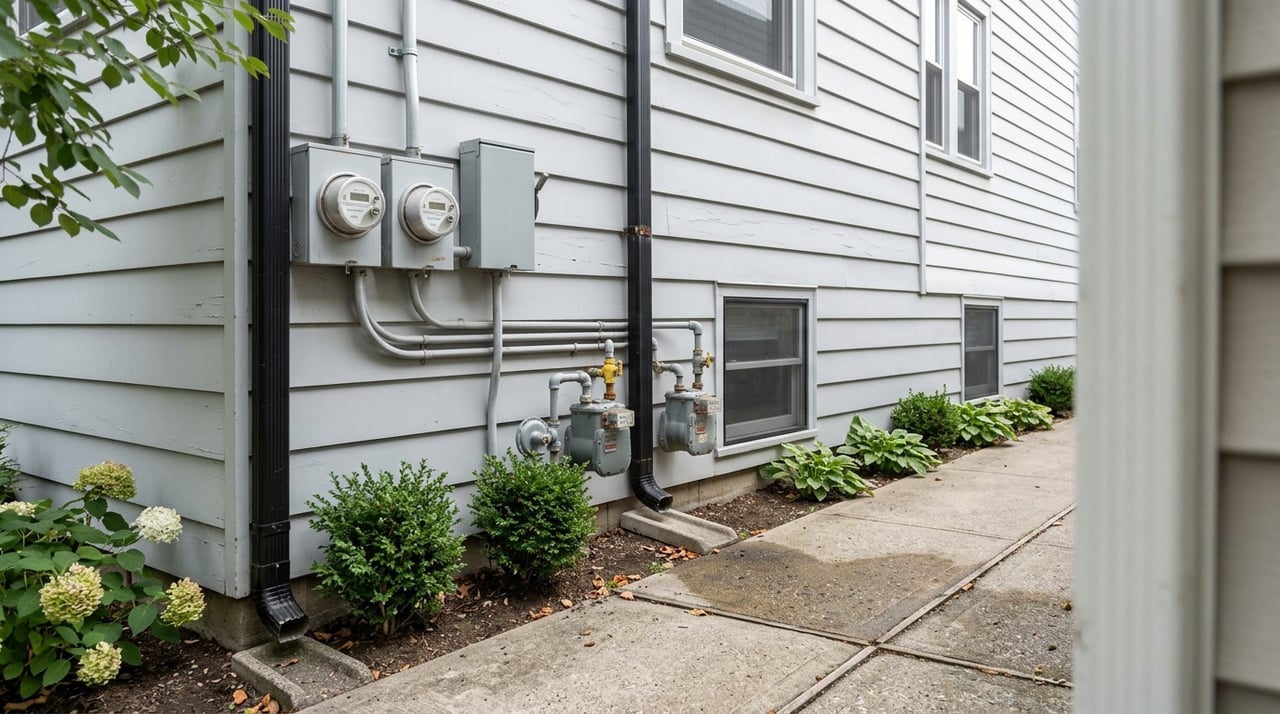
For Providence sellers with older homes or multi-family properties, prep can also include organizing documents, confirming utility details, and getting ahead of issues buyers may ask about. That can be especially helpful when your property has older systems or lead-related requirements.
Before selling in Providence, you should understand Rhode Island’s disclosure requirements. The state requires a written seller disclosure of known deficient conditions before an agreement to transfer real estate is signed.
For houses or buildings with one to four dwelling units, the completed disclosure form must be delivered to the buyer and relevant agents. The purchase agreement must also acknowledge that the form was provided. Under the statute, buyers should not rely only on the disclosure, and sellers do not have an affirmative duty to inspect.
Lead is an important issue in Rhode Island, especially in older housing stock. If your home was built before 1978, sellers must disclose known lead hazards, provide any lead inspection reports, deliver the required EPA booklet with the Rhode Island insert, and allow a 10-day period for buyer lead testing.
There is also a separate Rhode Island lead inspection requirement that gives buyers a 10-day period to inspect for lead exposure hazards in contracts involving one- to four-family homes built before 2011. If prep work will disturb paint in a pre-1978 property, licensed lead renovation firms are required for qualifying work.
Pricing is where strategy and local data come together. Providence is still leaning toward sellers, but that does not mean you can pick a number based on hope or what a neighbor wanted for their home.
The better approach is to anchor your asking price to recent comparable sales, current competition, and how your home fits the market right now. In a fast market, correct pricing can create urgency. In an overreaching market, it can slow activity and lead to reductions.
Based on the research report:
These numbers point to a market where buyers are active, but they also show that not every home can ignore pricing discipline. The homes that perform best are often the ones that hit the market with a realistic, well-supported price.
Your first list price is not just a number. It shapes buyer interest, showing activity, and negotiating leverage.
If you price correctly at launch, you may create faster activity and stronger terms. If you overshoot, you risk sitting longer, inviting lower offers, and signaling to buyers that the property may need a reduction.
When offers start coming in, it helps to look beyond the top-line price. The strongest offer is not always the highest one.
You should compare financing strength, contingencies, earnest money deposit, repair requests, proposed closing date, and the offer’s expiration. A slightly lower offer with cleaner terms and better certainty can sometimes be the better outcome.
This is where a hands-on, transaction-focused approach can really help. A careful review can protect your timeline, reduce surprises, and improve your odds of getting to the closing table smoothly.
When you estimate your net proceeds, remember to include Rhode Island’s real estate conveyance tax. The base rate is $2.30 per $500 of consideration, or about 0.46% of the sale price, and it is generally paid by the seller unless the contract says otherwise.
At a $580,000 sale price, the base conveyance tax is about $2,668. Rhode Island also adds an extra $2.30 per $500 on the portion of residential consideration above $800,000.
After an offer is accepted, the process usually moves into inspections, appraisal, and closing-document review. Rhode Island’s conveyance-tax rules note that the tax is paid at recording, and closing attorneys traditionally hold the funds in escrow and remit them at recording. That is one more reason to review your estimated net sheet early.
For some higher-end or investor-owned properties, another state tax may apply. Rhode Island’s non-owner occupied property tax took effect July 1, 2026 for residential properties assessed over $1 million that are not occupied by the owner for at least 183 days in the privilege year.
Selling in Providence can move quickly, but speed alone is not the goal. The real goal is to launch with a plan that fits your timeline, presents the property well, and supports a price the market will respond to.
If you are selling a single-family home, condo, or multi-family property in Providence, practical guidance matters. From pricing and prep to offer review and closing coordination, working with a local agent who knows Rhode Island and understands older housing stock can help you move forward with more clarity and less stress.
If you’re ready to map out your sale, connect with Luis Rodrigues for a practical, data-backed plan built around your property and timeline.
Luis is here to help you throughout your entire home buying and selling process. Trying to do it all on your own can be burdensome. He will find you homes within your price range, help you find buyers, assist you with paperwork, and more.