Is Brockton MA Commuter Housing Smart for Boston Buyers?
June 4, 2026
June 4, 2026
If Boston prices have you rethinking where to buy, Brockton is one of those places that quickly gets your attention. You get a direct rail option into South Station, a second transit path through Ashmont, and home prices that sit far below Boston’s. The real question is whether that tradeoff works for your daily life, your budget, and the kind of home you want. Let’s break it down.
For many buyers, Brockton makes the short list because it offers a more realistic path to homeownership than Boston. Current market snapshots place Brockton home values in the high-$400,000s to low-$500,000s, while Boston’s median sale price is much higher. That gap is a big reason value-conscious buyers start looking south of the city.
Brockton is not a classic one-note suburb. Its housing stock is mixed, its commute options are better than some buyers expect, and its day-to-day routine is still fairly car-heavy overall. That means Brockton can be a smart home base, but usually for the right kind of commuter rather than every commuter.
Brockton sits on the MBTA Fall River/New Bedford Line, which gives you direct service to South Station. Current timetable summaries put the trip at about 42 minutes on average, with no transfer required. Weekday departures start early, around 5:22 a.m., and service continues into the evening.
That kind of direct train access matters if you work downtown and want to avoid driving all the way into Boston. Line materials also position the route as a way to skip some of the traffic pressure on Route 24 and the Southeast Expressway. For many buyers, that alone makes Brockton worth a look.
Brockton also has a second commute path that many buyers overlook. The Brockton Area Transit Authority operates from its intermodal transportation center next to the commuter rail station, and that hub includes service to Ashmont. From there, you can connect to the MBTA Red Line.
BAT reports seven-day service, with weekday service to Ashmont running from 4:50 a.m. to 12:30 a.m. That gives you another option if your schedule does not line up well with the train or if you want flexibility in how you reach Boston. It is not the same as living in a transit-first inner-core neighborhood, but it does add useful backup.
A 42-minute train ride to South Station is workable by Greater Boston standards, but it is not a quick hop. Once you add time to get to the station, park or get dropped off, and reach your final destination in Boston, your total door-to-door commute can stretch meaningfully. That is why Brockton often works best for buyers who can tolerate a moderate commute in exchange for better housing value.
The citywide data supports that reality. The Census Bureau’s 2020-2024 ACS puts mean travel time to work at 31.5 minutes, and a 2023 city demographic profile estimated average travel time at 36 minutes. In other words, Brockton residents are already used to a commute that takes planning.
The same profile shows that most workers drive alone, at 75.23%, while 6.82% use public transportation. That does not mean transit is unimportant. It means Brockton functions best for many households as a place where you may mix driving and transit rather than rely on transit for every single errand and work trip.
The biggest argument for Brockton is simple: your money typically goes further. Redfin reported a Brockton median sale price of $475,000 in March 2026, compared with Boston’s $860,000. That means Brockton’s median sale price was about 55% of Boston’s.
For a buyer who feels priced out of Boston, that difference can change the conversation from “maybe later” to “possibly now.” It can also open up more flexibility in the type of property you pursue, especially if you are comparing a smaller Boston condo with a larger home or multi-unit option in Brockton.
Brockton’s 2023 city profile also shows where many owner-occupied values cluster. About 25.79% were in the $300,000 to $399,999 range, 24.84% were in the $400,000 to $499,999 range, and 13.64% were in the $500,000 to $749,999 range. That distribution suggests a broad middle market that can appeal to first-time buyers and move-up buyers alike.
For renters thinking about buying, the same ACS period put Brockton’s median gross rent at $1,641. That is a lower entry point than Boston, though not extremely cheap. It still helps explain why some households see Brockton as a practical step toward ownership.
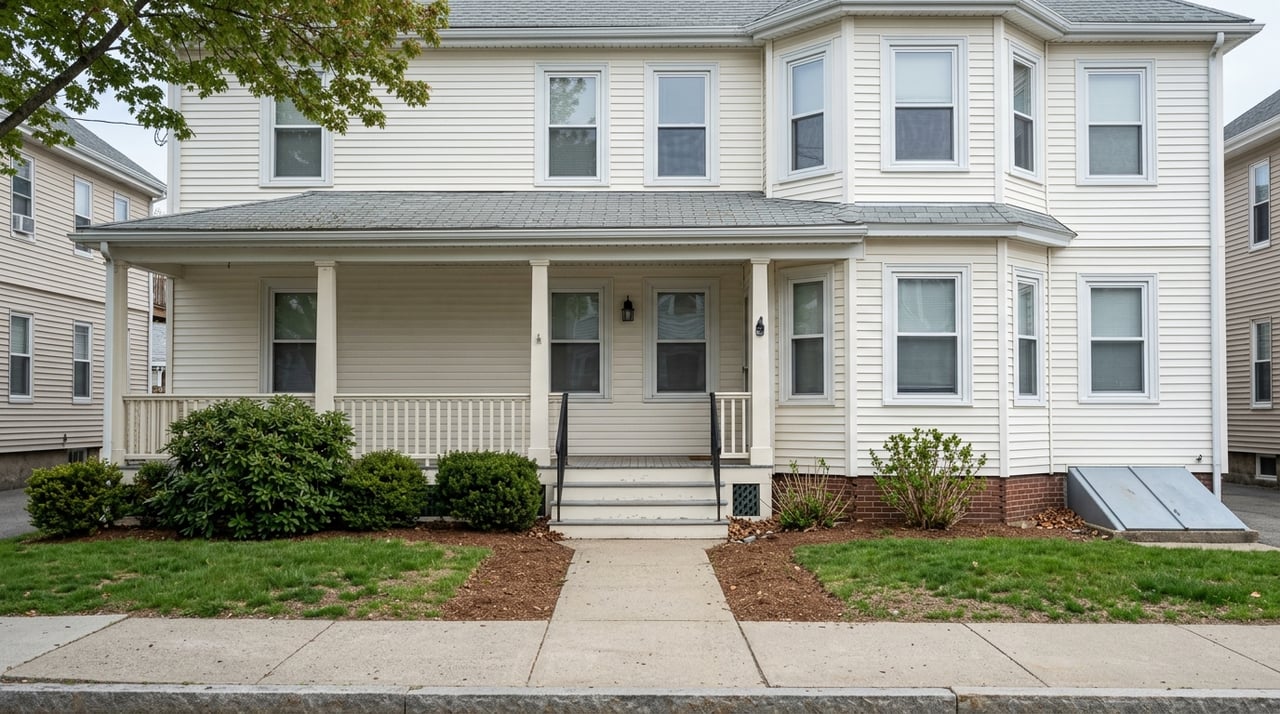
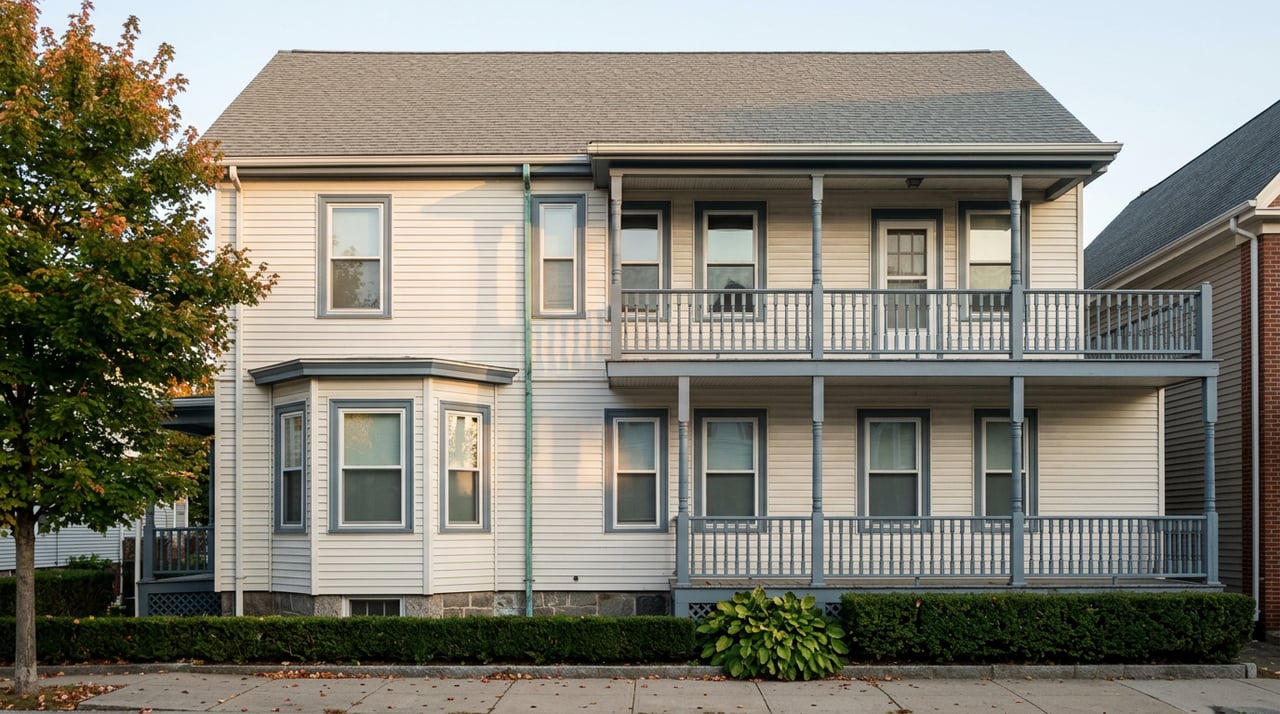
Brockton’s housing mix is one of its more important strengths. According to the city’s 2023 profile, 46.57% of units were detached single-family homes and 2.82% were attached single-family homes. Another 14.72% were in two-unit buildings, 14.95% were in three- to four-unit buildings, and 20.69% were in buildings with five or more units.
That means Brockton is not just a single-family market. It offers a meaningful mix of detached homes, smaller multifamily properties, and larger multifamily buildings. If you want flexibility, that matters.
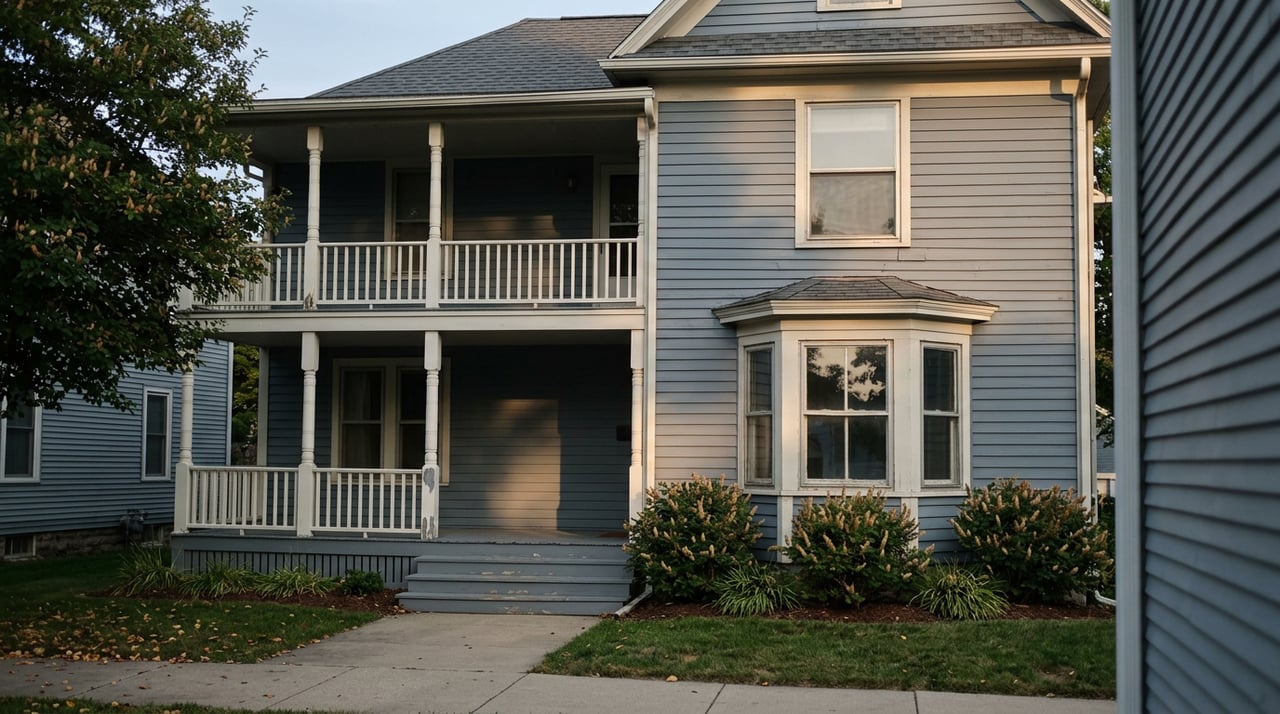
If you are a first-time buyer, you may appreciate having more than one property type to consider. If you are open to a two-family or three-family purchase, Brockton’s housing stock may create options that are harder to find in more purely suburban markets. That can be especially appealing if you want to balance housing costs with long-term value.
The city is also not strictly owner-occupied. The same 2023 profile estimated 56.93% owner-occupied housing and 43.07% renter-occupied housing. That split reflects a market that serves both buyers looking for a primary residence and those interested in income-producing property.
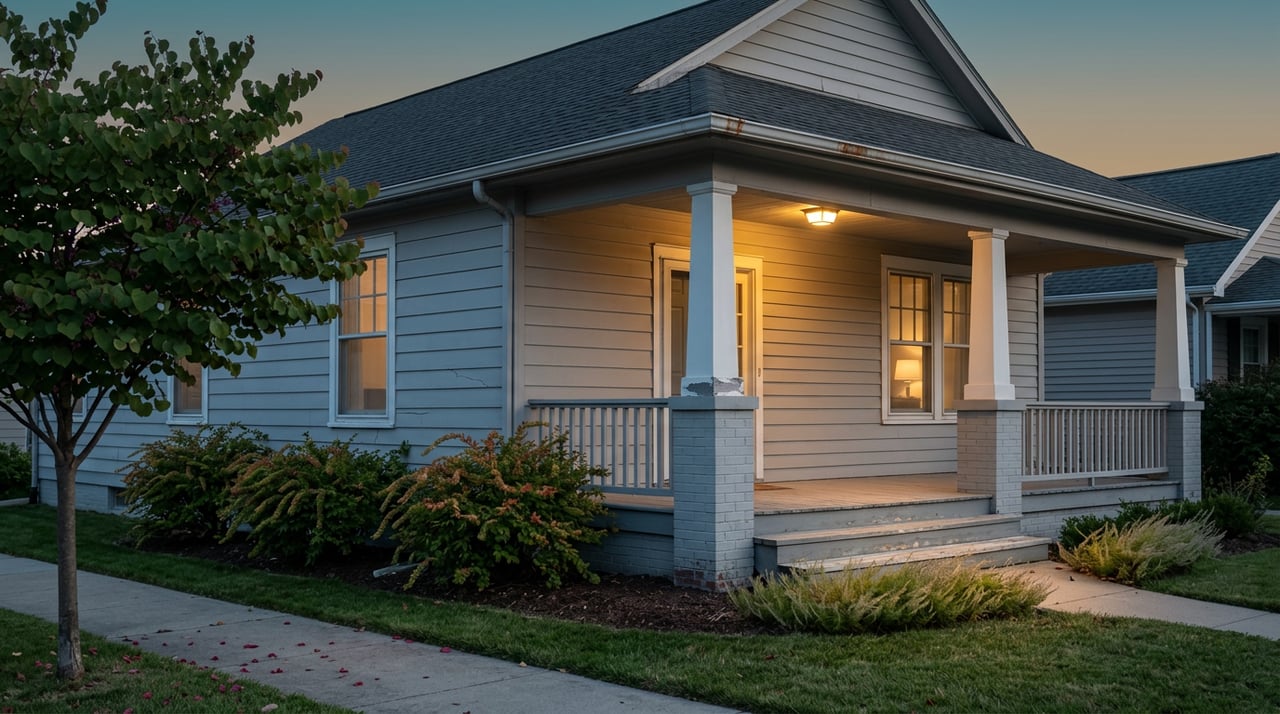
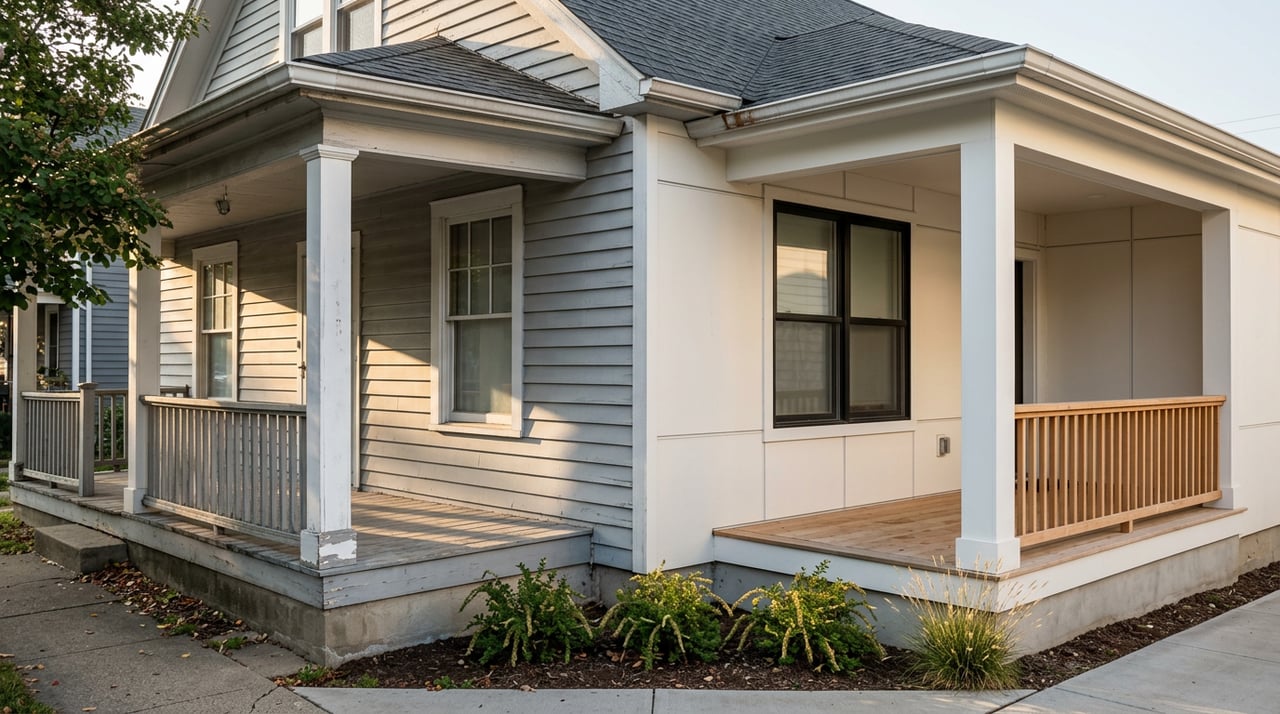
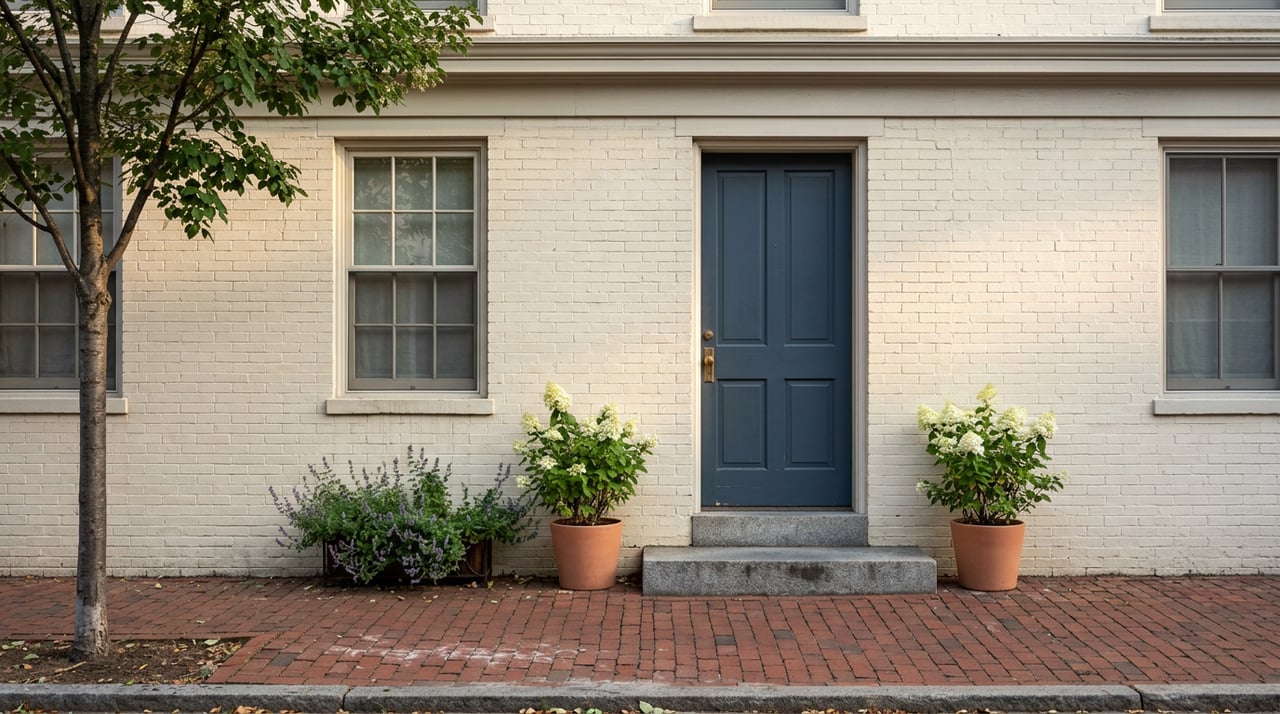
Brockton’s housing stock is older, and that is a major part of the decision. The city profile shows a median year built of 1959, and 36.64% of housing units were built in 1939 or earlier. Older homes can offer character and more established streetscapes, but they can also come with more maintenance and renovation needs.
For you as a buyer, that means due diligence matters. Inspection findings, repair budgets, and realistic expectations about upkeep are especially important here. If you are comparing Brockton with a newer suburb, this is one of the biggest differences you will likely feel.
Brockton makes sense if your top goal is stretching your budget without giving up access to Boston. A direct train to South Station, a second route through Ashmont, and a housing market well below Boston pricing give you a practical mix of affordability and access. For many buyers, that is enough to make the numbers work.
It can be especially appealing if you are open to property types beyond the standard single-family house. Brockton’s housing variety gives you room to think strategically, whether you want more space, a lower price point, or a small multifamily property.
If your top priority is the shortest possible ride into Boston or a fully transit-first lifestyle, Brockton is probably more compromise than ideal. The train is direct, but it is still roughly 42 minutes on average, and the broader commuting pattern remains car-oriented. That is manageable for many households, but it is not the same as living in a more transit-dense inner-ring location.
In other words, Brockton tends to work best when you see commuting as a tradeoff worth making for better purchase power. If that tradeoff fits your life, it can be a smart move. If you want maximum transit convenience above all else, you may want to compare it carefully against closer-in options.
Before you decide, focus on the factors that will affect your routine the most:
A smart decision here is less about a universal yes or no and more about fit. The better your expectations match Brockton’s strengths and tradeoffs, the more likely you are to feel good about the move.
If you are comparing Brockton with other southeastern Massachusetts markets, a local agent can help you weigh commute patterns, housing stock, and value side by side. If you want practical guidance on buying in Brockton or nearby communities, connect with Luis Rodrigues for a free consultation.




Luis is here to help you throughout your entire home buying and selling process. Trying to do it all on your own can be burdensome. He will find you homes within your price range, help you find buyers, assist you with paperwork, and more.