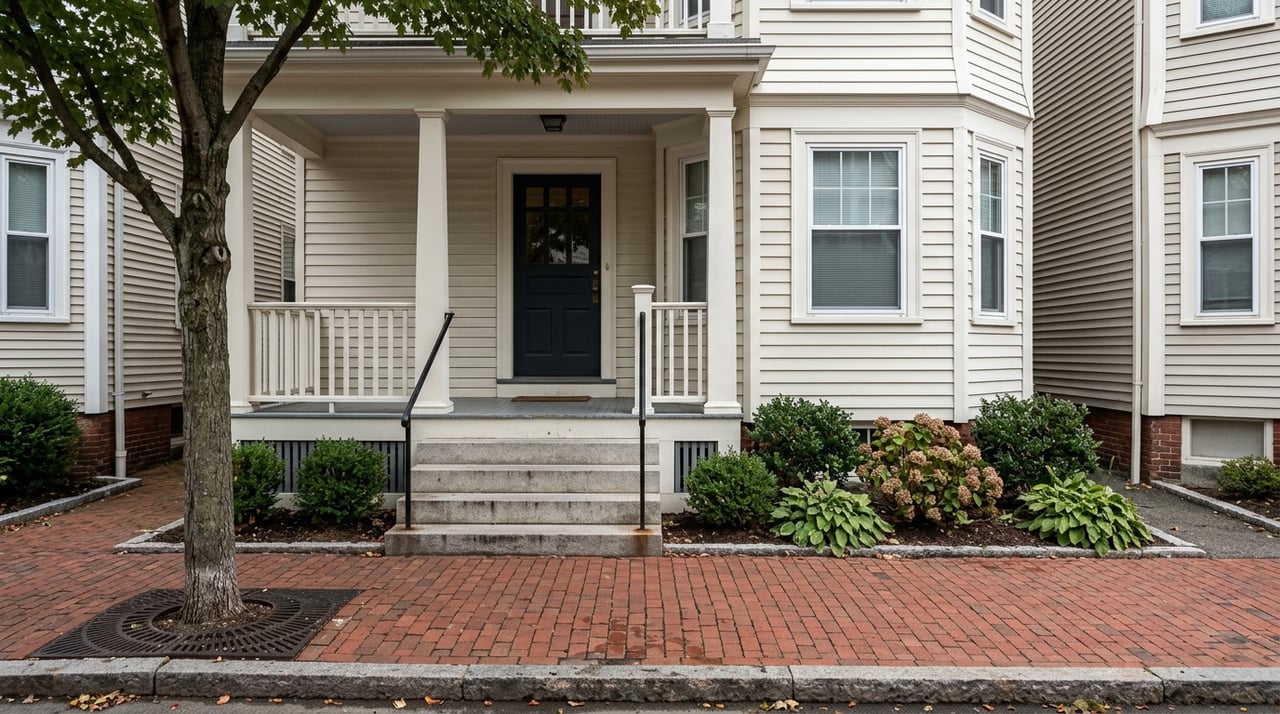
Walkable Living in Providence RI: Where It Works Best
April 2, 2026
April 2, 2026
Wondering if you can really live with less car time in Providence? In many parts of the city, the answer is yes. If you want a home where coffee shops, parks, transit, dining, and daily errands feel closer at hand, Providence offers several neighborhoods that make that lifestyle realistic. This guide will help you understand where walkable living works best, what tradeoffs to expect, and how to think about housing choices before you move. Let’s dive in.
Providence stands out because the city is actively planning around walking, biking, transit, and mixed-use streets. The city’s Great Streets plan emphasizes safer, more equitable, and more sustainable streets, which supports a car-light lifestyle in the neighborhoods where homes, shops, parks, and transit are clustered.
That matters if you want more than just a nice sidewalk. A truly walkable routine usually depends on having daily destinations nearby, plus reliable transit and public spaces that make getting around easier. In Providence, those pieces come together best in and around the urban core.
If transit access is your top priority, Downtown and the Jewelry District are some of the strongest options in Providence. These areas place you close to Providence Station, Kennedy Plaza, Waterplace Park, and the Riverwalk, which creates a practical setup for commuting, dining out, and getting around without depending on a car every day.
These neighborhoods also offer close access to arts and civic destinations. Amtrak highlights nearby points of interest such as the Rhode Island State House, Westminster Arcade, and RISD Museum, while the city supports arts programming across neighborhoods and hosts signature events like PVDFest downtown. For buyers and renters who want a more connected, active urban lifestyle, this part of Providence often checks the most boxes.
Downtown and the Jewelry District may appeal to you if you want:
If you want walkability with a more residential feel, College Hill, Fox Point, and Wayland Square deserve a close look. Brown’s Providence guide points to Thayer Street, Wickenden Street, and Wayland Square as key corridors for shopping, dining, and entertainment, giving you nearby destinations without needing to be in the heart of downtown.
City planning materials describe College Hill as historically residential, centered around Benefit Street’s Mile of History. Fox Point is noted for historic tenement homes and businesses along streets such as South Main, Pike, Brook, Traverse, and Wickenden. In practical terms, these areas can offer a balance of neighborhood feel and day-to-day convenience.
These areas may be a fit if you prefer:
For dining-focused walkability, Federal Hill stands out. The city describes Federal Hill as renowned for restaurants along Atwells Avenue and for DePasquale Square, while nearby Broadway and Westminster Street add more options just west of downtown.
Part of the West End also supports a car-light routine, especially where you can reach neighborhood businesses and downtown destinations on foot or by transit. If your ideal lifestyle includes being able to step out for dinner, coffee, or an evening stroll without a long drive, this area is worth considering.
Walkability is not only about what sits on your block. It also depends on how easily you can connect to the rest of the city and region.
Providence Station is a major advantage for local and regional travel. Located at 100 Gaspee Street, it offers Amtrak and MBTA commuter rail connections, and RIPTA bus service stops right outside the station. The station also sits just north of Kennedy Plaza, which helps tie together rail, bus, and downtown access.
Another important piece is RIPTA’s Downtown Transit Connector. This route creates a high-frequency link between Providence Station and the Hospital District, with service every 5 minutes in each direction and upgraded passenger amenities. For anyone trying to reduce daily car use, that kind of frequency makes a real difference.
If you want the easiest access to transit, focus first on:
Providence is also building a stronger bike network, which can expand your options beyond what feels comfortable on foot. According to the city’s transportation overview, Providence has added more than 16 miles of bike lanes in the past decade, including its first protected bike lane.
The city is also adding more than 3 miles of urban trails through its Safe Streets for All project. Current work includes Broadway, South Water Street, Fountain Street, and Washington Secondary Trail improvements. RIPTA buses also carry bike racks, and public bike racks are available at Providence Station and Kennedy Plaza, which helps support a bike-and-transit routine.
A walkable lifestyle is easier to enjoy when public spaces are part of your everyday routine. Providence offers a strong range of outdoor options, with the city reporting 120 public parks across 1,600 acres, including trails, walking and running tracks, bike features, canoe launches, and community gardens.
For many residents, downtown’s riverfront spaces are a major plus. The city describes the Riverwalk and Waterplace Park as public spaces created to reclaim the riverfront for people, with planning focused on connections between Kennedy Plaza, the Riverwalk, and Waterplace Park, including ADA and bicycle access.
Depending on where you live, these destinations can strengthen a car-light routine:
Roger Williams Park includes more than 435 acres, along with the Botanical Center, Museum of Natural History and Planetarium, zoo, carousel village, boating, and more, according to the city’s park overview. India Point Park is another useful amenity for East Side and waterfront residents because of its walking paths, pedestrian bridge to Fox Point, and bike path connections.
One of the best parts of walkable living in Providence is that it is not just functional. It can also be enjoyable. Downtown cultural venues, riverfront events, and neighborhood business corridors make it easier to fill your week without adding extra driving.
A good example is WaterFire, which is designed to be enjoyed on foot along the downtown riverwalks. The organization also describes downtown Providence as a place where restaurants, shops, museums, and cultural experiences sit close together. That kind of environment can make walking feel like part of your lifestyle, not just your commute.
If you are searching for a home that fits a car-light routine, the housing type matters almost as much as the location. Providence’s comprehensive plan explains that the city’s truly mixed-use areas are concentrated in downtown, commercial corridors, transitioning manufacturing areas, and parts of the waterfront, where residential, retail, office, civic, and entertainment uses combine.
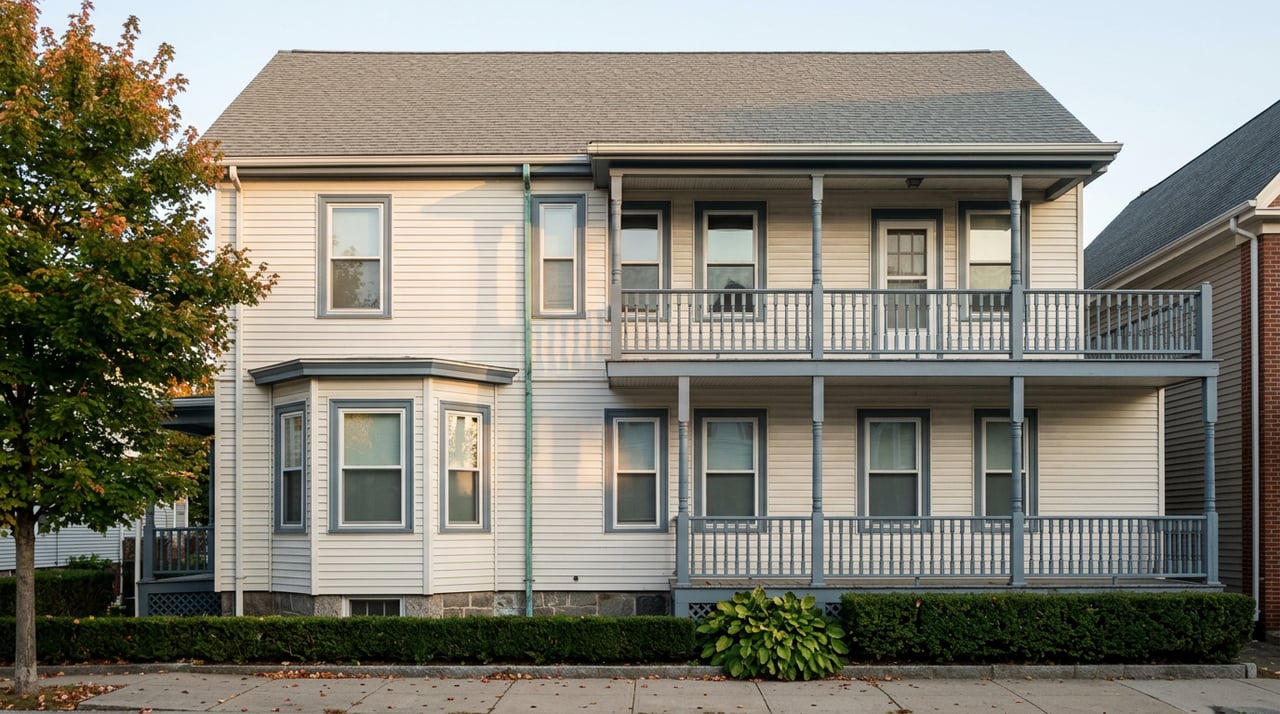
That often means the most walkable housing options are not detached homes on large lots. Instead, you are more likely to find a good fit in:
For some buyers, especially value-conscious buyers or small investors, that can be a real advantage. In Providence, small multifamily and mixed-use areas may offer a practical path to living closer to transit, shops, and services.
One common mistake is assuming parking will automatically come with an otherwise walkable home. In Providence’s more walkable core, parking is often available, but not always in the way buyers and renters expect.
The city reports more than 2,300 metered spaces in Downtown, College Hill, Federal Hill, the Jewelry District, near the State House and Train Station, and in Wayland Square. That is a useful reminder that in these areas, parking should be treated as a housing feature to confirm early in your search. If you plan to keep a car, ask specific questions about off-street parking, permits, and day-to-day convenience.
The best Providence neighborhood for walkable living depends on what you want your daily routine to look like. There is no single right answer.
If you want the strongest transit access, focus on Downtown or the Jewelry District. If you want a residential setting near shopping and dining corridors, College Hill, Fox Point, and Wayland Square may feel like a better fit. If dining access and neighborhood energy matter most, Federal Hill and parts of the West End should be on your list.
A simple way to compare options is to think about these questions:
If you want help narrowing down Providence neighborhoods based on your budget, commute, parking needs, or property type goals, Luis Rodrigues can help you compare options and move forward with a clear plan.



Luis is here to help you throughout your entire home buying and selling process. Trying to do it all on your own can be burdensome. He will find you homes within your price range, help you find buyers, assist you with paperwork, and more.