Is Buying a Two-Family in Pawtucket a Smart Starter Home?
April 16, 2026
April 16, 2026
Wondering if a two-family home in Pawtucket could be your way into homeownership? For many first-time buyers, the idea is simple and practical: live in one unit, rent the other, and use that extra income to help with monthly costs. In a city where small multifamily properties are a major part of the housing stock, this can be a smart starter-home strategy if you go in with clear expectations. Let’s dive in.
Pawtucket is one of those markets where the two-family starter-home idea actually matches the local housing stock. According to the city’s 2025 to 2029 Consolidated Plan, small multifamily homes with 2 to 4 units make up 40.9% of the housing stock. The same report notes that these homes often reflect a common ownership pattern where someone buys a 2- or 3-unit property, lives in one unit, and rents the others.
That matters because you are not chasing a rare property type here. You are shopping in a city where this kind of ownership model is already part of the local housing picture. Pawtucket also has 31,036 occupied housing units and a 6.9% vacancy rate, which helps frame the city as an active, lived-in market rather than a niche opportunity.
If you are hoping a two-family in Pawtucket will be a cheap shortcut, it helps to reset expectations. Realtor.com’s Pawtucket market overview for February 2026 shows a median home price of $420,000, a median rental price of $1,835, median days on market of 41, and a sale-to-list price ratio of 100%.
In plain terms, buyers should expect a competitive market. The opportunity here is less about finding a bargain and more about using a two-family purchase as a value-focused long-term move. If the numbers work, the rental unit may help offset your ownership costs while you build equity in a property you also live in.
A two-family home can solve two problems at once. First, it gives you a place to live. Second, it may create a built-in income stream from the other unit, which can make monthly housing costs feel more manageable.
That does not mean the rent is pure profit. You still need to budget for repairs, taxes, insurance, vacancies, and compliance costs. Still, for buyers who are open to being owner-occupants and landlords at the same time, this setup can be a more flexible path than stretching for a single-family home with no income offset.
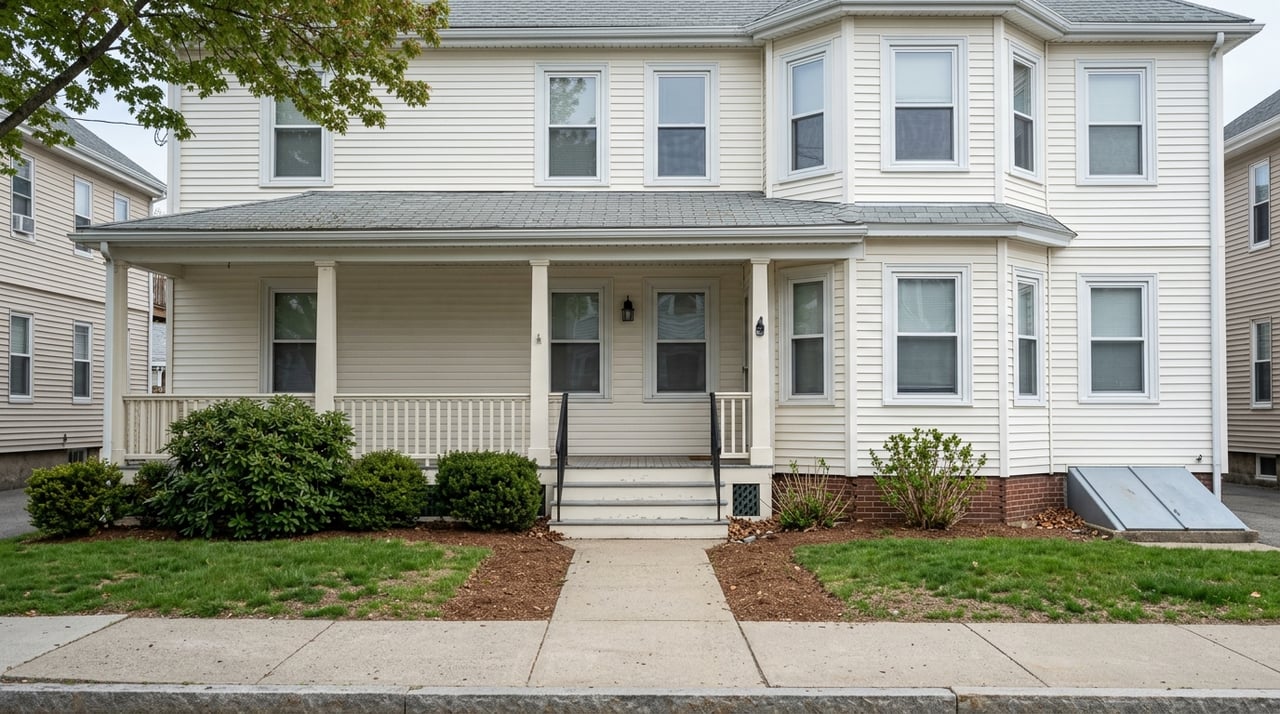
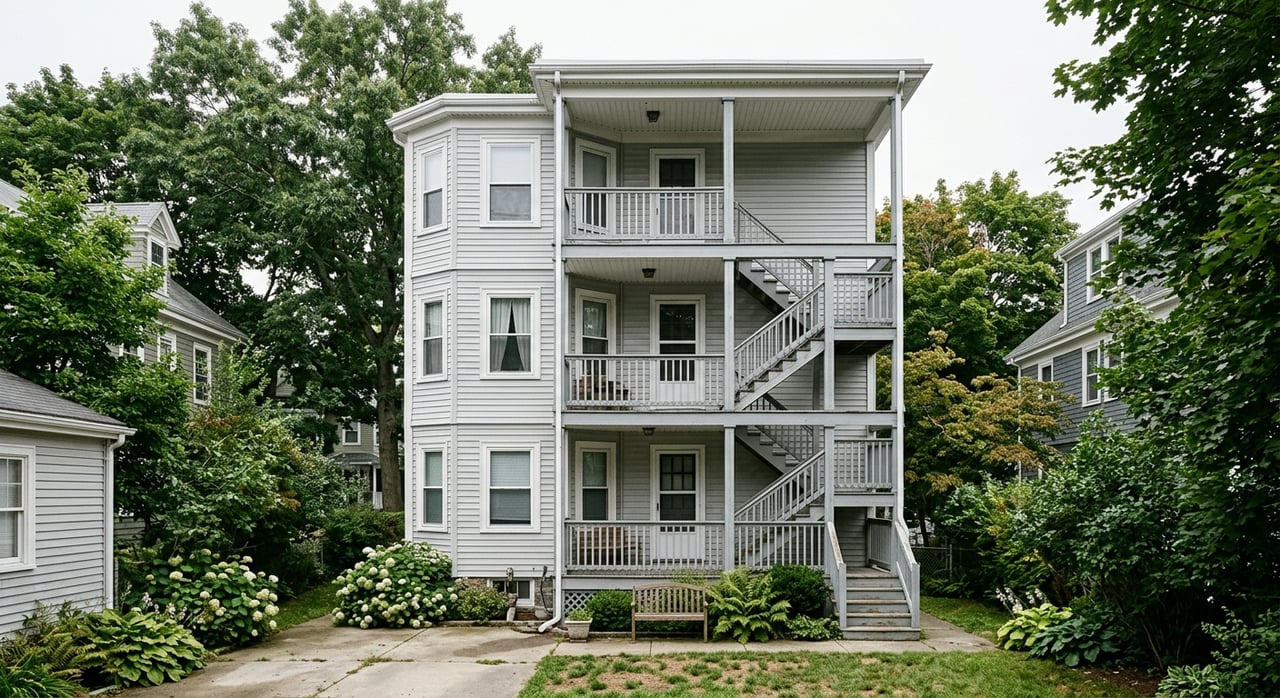
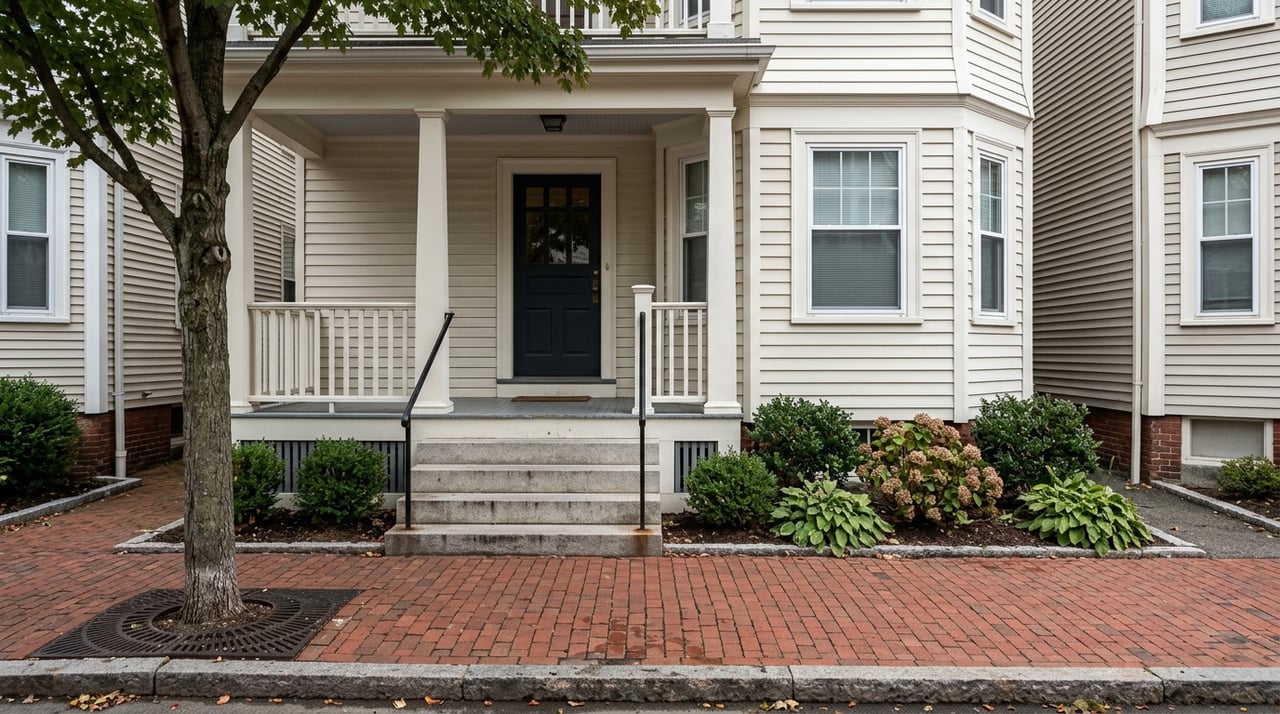
Because much of Pawtucket’s housing stock is older, many two-family homes are likely to be traditional stacked-flat or over-under style properties rather than newer side-by-side duplexes. That affects how the home lives day to day. A good two-family should work well for two separate households, not just on paper but in real life.
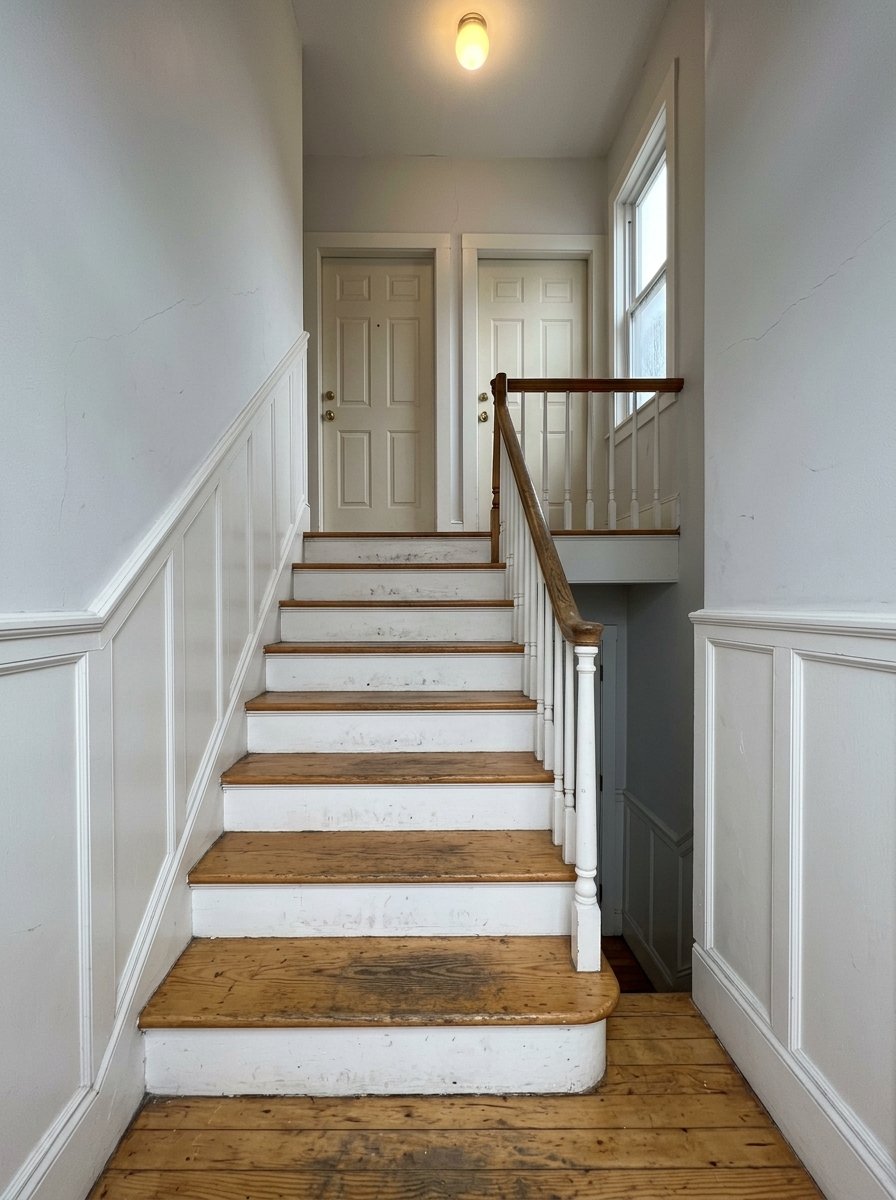
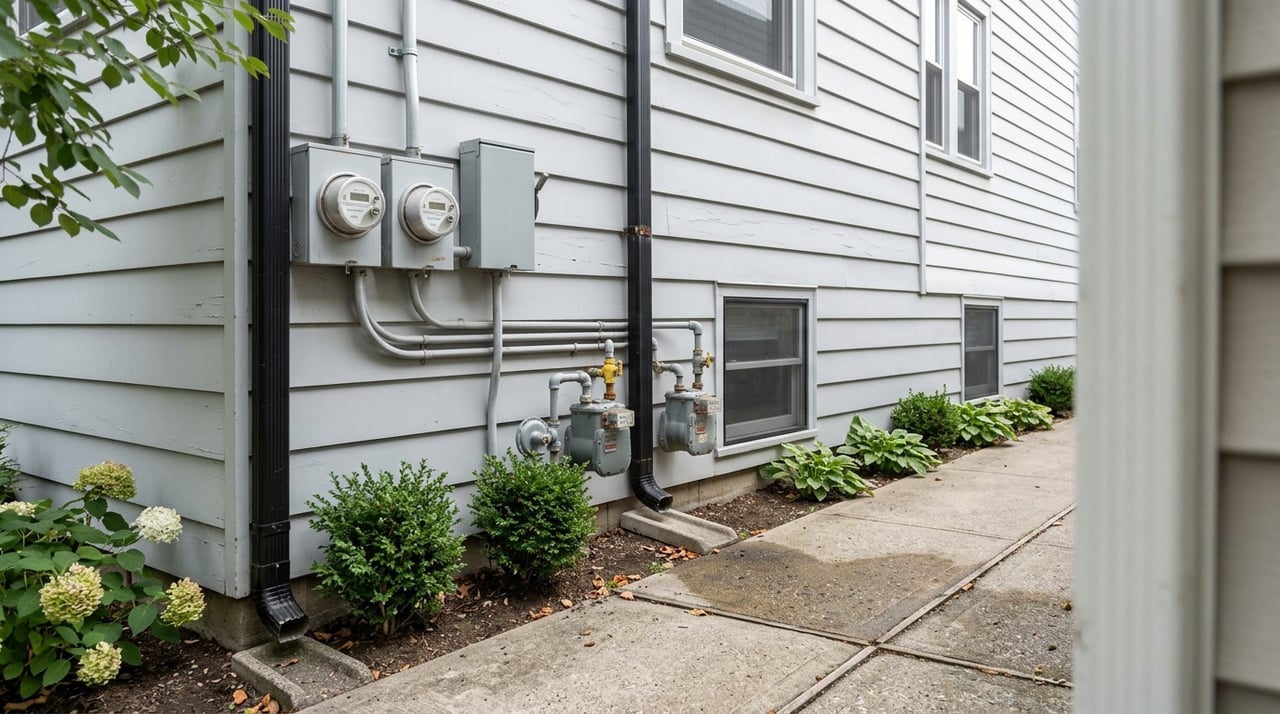
When you tour properties, pay attention to how clearly each unit functions on its own. Look at private entrances, bedroom count, kitchen and bath layout, noise separation, basement access, laundry setup, and whether the space would feel comfortable for both you and a future tenant or relative.
Older multifamily homes can offer a lot of value, but they can also come with deferred maintenance. The city’s Consolidated Plan specifically identifies roofing, window replacement, and exterior siding or painting as common repair needs in local housing. That makes condition just as important as price.
Use showings to look beyond surface-level updates. Fresh paint and staged rooms can make a home feel move-in ready, but you also want to know how the building has been maintained over time.
One of the most important questions is also one of the simplest: is the property legally recognized as a two-family? Before you get too far into a deal, confirm the home’s status and ask about any needed documentation.
Pawtucket says buyers can verify items such as a certificate of occupancy and certificate of zoning compliance through zoning and code enforcement. If prior work was done on the property, it is also smart to ask whether permits were pulled for building, plumbing, electrical, or mechanical work, since the city requires permits for most of that work.
A lot of buyers assume multifamily financing always requires a large down payment. That is not necessarily true if you plan to live in one of the units as your primary residence.
HUD says FHA-insured mortgages are available for existing one- to four-family homes, and the minimum required investment may be as little as 3.5% in many cases. For a first-time buyer, that can make a two-family purchase much more realistic.
Conventional options can also work. Fannie Mae’s HomeReady program matrix allows 2- to 4-unit principal residences, and Freddie Mac’s Home Possible program also allows qualifying multi-unit primary residence purchases. Under these programs, rental income from the other unit may be used as qualifying income if the program rules are met.
That last point is a big one. If projected rent from the second unit helps strengthen your loan application, a two-family may open doors that a single-family purchase does not.
If you are buying in Pawtucket, local and state-level assistance may also help reduce your upfront cash needs. RIHousing’s first-time homebuyer mortgage program says eligible buyers may be able to finance 100% of the purchase price when paired with down payment assistance, and Extra Assistance can help with down payment and closing costs.
RIHousing also offers the FirstGenHomeRI pilot, which provides $25,000 in down payment and or closing-cost assistance for eligible first-generation buyers who currently live in communities that include Pawtucket, purchase a 1- to 4-family home or condo in Rhode Island, occupy it as a primary residence, and complete HUD-approved homebuyer education.
If you are buying a multifamily property, RIHousing says you must complete landlord-tenant education in addition to regular homebuyer education. The landlord education page outlines this requirement and lists classes available in English and Spanish.
The second unit may help offset your monthly costs, but your budget needs to go further than principal and interest. Use realistic numbers when you plan. That includes taxes, insurance, maintenance, possible vacancies, and any compliance-related expenses for the rental unit.
The February 2026 Pawtucket rental snapshot from Realtor.com shows a median rental price of $1,835, which gives you a useful benchmark. But a benchmark is not a guarantee. Actual rent depends on the property, condition, unit size, and current market demand.
If you plan to rent the second unit, Rhode Island compliance starts quickly after closing. The state’s RI Rental Registry says all landlords must register rental properties, and new owners or landlords must register within 30 days of acquisition or leasing. Annual re-registration is due by October 1.
Lead rules are especially important in older homes. The Rhode Island Department of Health says rental properties built before 1978 are likely subject to lead-hazard mitigation requirements unless exempt, and those rental properties need a valid lead certificate. Owners must also provide lead disclosures to tenants and address violations promptly.
This is one reason why buying an older two-family should never be treated as a simple rent-collection play. The opportunity can be real, but so are the responsibilities.
A two-family in Pawtucket can be a strong starter-home choice if you want to combine homeownership with a practical income strategy. The city’s housing stock supports that model, mainstream financing may be available, and Rhode Island assistance programs can help some buyers get in the door.
The key is buying with your eyes open. You want a property that works legally, physically, and financially, with a layout you can live in and a budget that accounts for repairs and compliance. If you want help evaluating a Pawtucket two-family, comparing options, or building a realistic plan for your next step, connect with Luis Rodrigues for practical guidance and a free consultation.
Fall River Multi-Family Homes for Sale
Luis is here to help you throughout your entire home buying and selling process. Trying to do it all on your own can be burdensome. He will find you homes within your price range, help you find buyers, assist you with paperwork, and more.