Fall River vs New Bedford: Choosing Your First Home
March 24, 2026
March 24, 2026
Torn between Fall River and New Bedford for your first place? You are not alone. Both cities offer coastal character, older homes with charm, and new rail access that reshapes the Boston commute. In this guide, you will compare what you can buy, what it costs right now, how commuting feels, and the lifestyle trade-offs that matter on weekends and at resale. Let’s dive in.
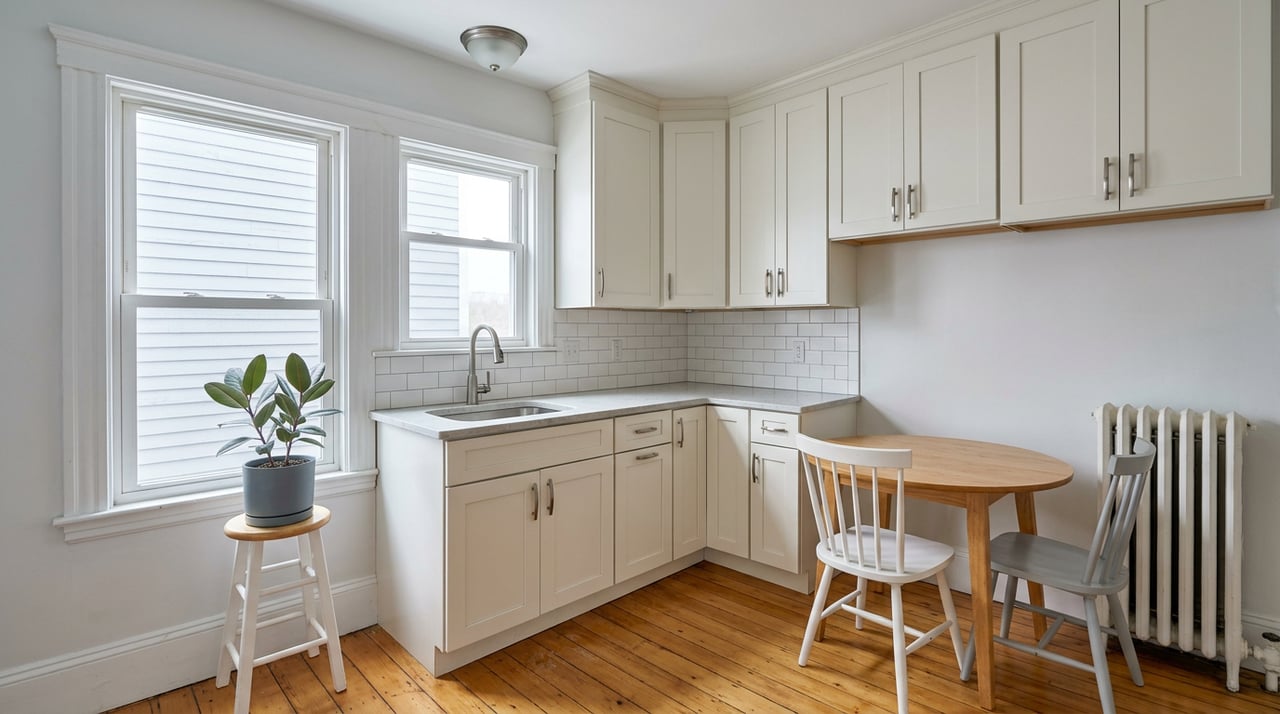
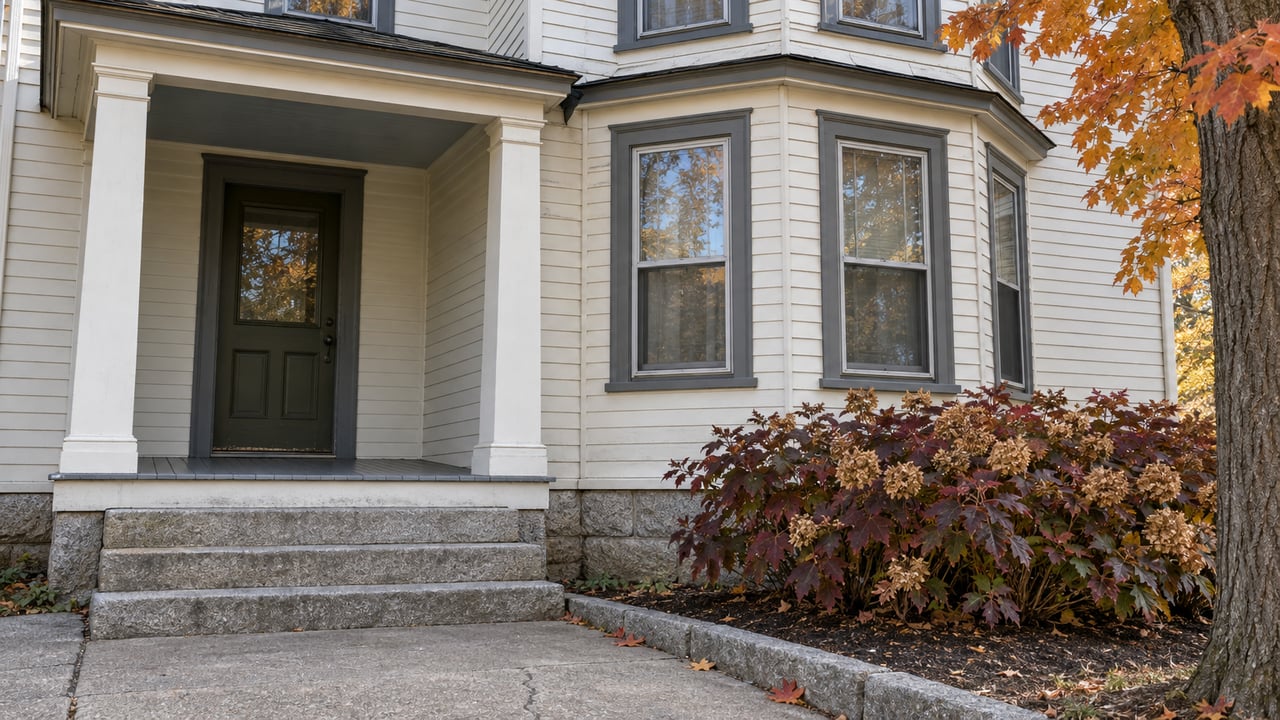
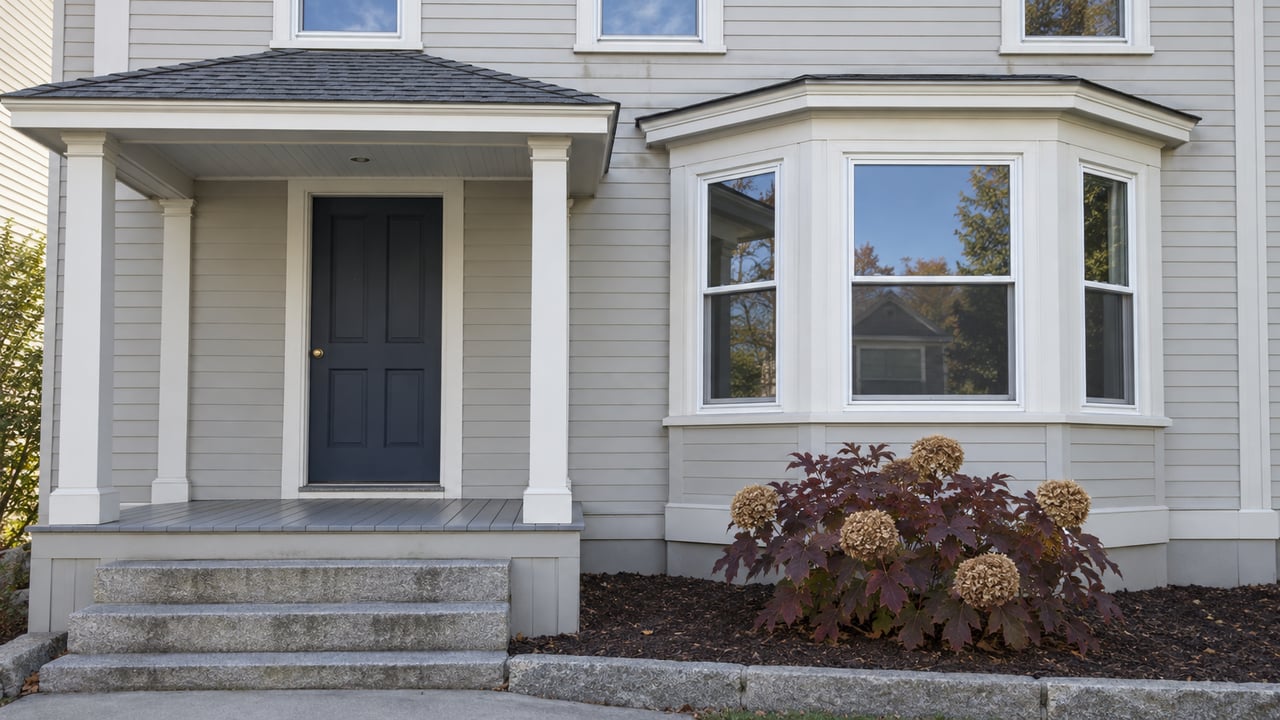
You will see a lot of classic New England housing in both cities. Think Victorian and mill-era homes, triple-deckers, converted mills, and some downtown condos. Fall River has several historic districts with standout Victorian architecture, including the Highlands area highlighted by the city’s Historical Commission materials. You can get a feel for that fabric in the commission’s report on local historic stock and preservation activity. City archival materials outline Fall River’s historic districts and architecture.
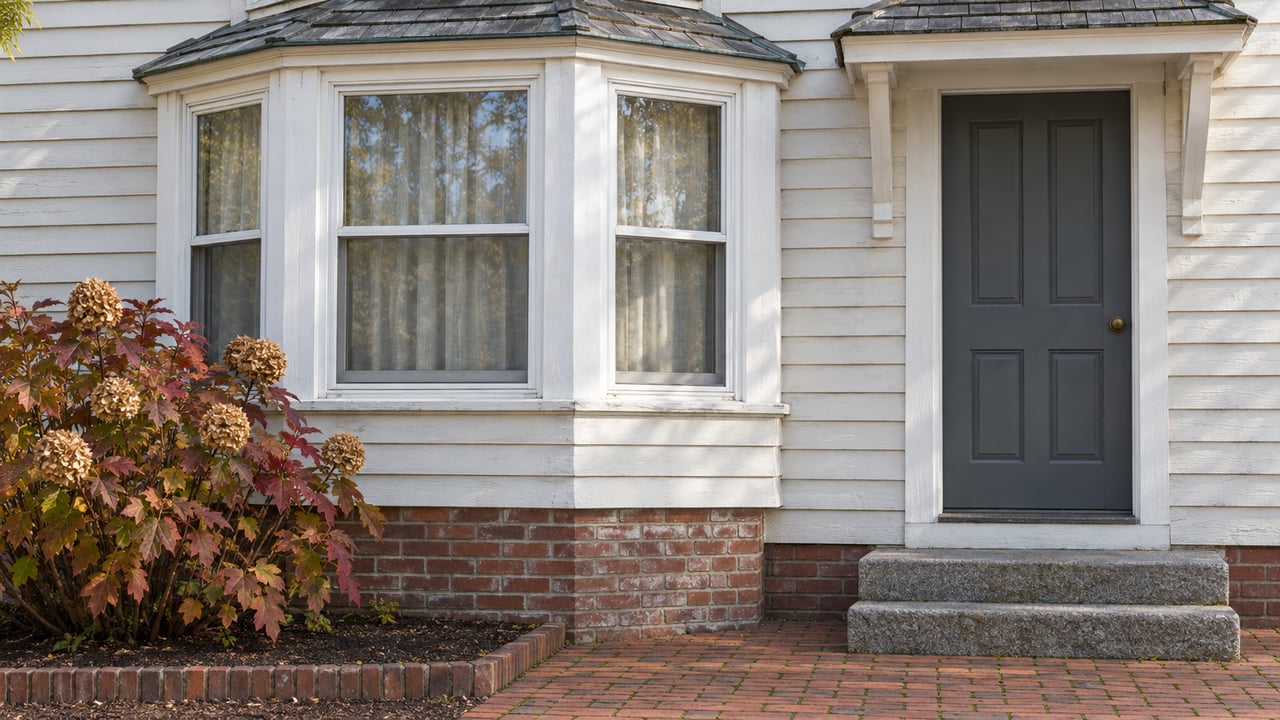
New Bedford’s downtown and waterfront core sit within the New Bedford Whaling National Historical Park, with preserved 19th-century commercial blocks and merchant housing. The city also promotes a walkable, arts-forward downtown with events and waterfront access. Learn more on the City of New Bedford’s site.
You will also see a high share of multi-family options in both places. Public summaries built from ACS data point to many renter-occupied and multi-unit buildings, which shows up in for-sale inventory as two- and three-family homes and smaller condo buildings. For a quick reference on the pattern, review Fall River’s city profile data.
Renovation and maintenance should be part of your plan. Older homes can offer a lower entry price for more space or character, but you may need to budget for systems, insulation, roofing, and lead times for contractors. If you are looking at multi-family, an inspection that includes common systems is essential. A seasoned agent can help you weigh entry price against likely near-term work.
If you want a quick snapshot, here are recent medians from one widely used tracker. According to Redfin city pages as of February 2026, the median sale price was about $487,000 in Fall River and about $459,450 in New Bedford. Redfin also showed a median price per square foot of roughly $287 in Fall River and about $246 in New Bedford, with median days on market around 36 days in Fall River and 25 days in New Bedford.
Other trackers that use different methods and update cycles often show numbers in the low to mid 400s for both cities in early 2026. Treat any single number as a guide, not a rule. Always pair the city median with neighborhood-level comps for the property type you want.
Local reporting also points to strong momentum. One outlet noted that Fall River home prices nearly doubled over five years and rose sharply year over year, which helps explain why competition can vary by neighborhood and property type. Review the coverage for context in the Fall River Reporter.
How to use this if you are buying your first home:
The new MBTA South Coast Rail changed the daily commute math. Passenger service to both cities began on March 24, 2025, with weekday trains that connect to Boston’s South Station. Coverage around the launch reported travel times of roughly 90 minutes from the branch endpoints to South Station, with details in the MBTA schedule. You can read the launch recap in Trains Magazine and check the official timetable in the South Coast Rail schedule PDF.
First and last mile matters too. The Southeastern Regional Transit Authority (SRTA) runs local buses that link neighborhoods and downtown terminals to the new MBTA stations. If you plan to ride rail, map your walk or bus transfer early. See SRTA’s South Coast Rail service plan and station connections.
If you drive, both cities are far closer to Providence than Boston by car. A common rule of thumb is about 20 minutes from much of Fall River to Providence and around 30 to 40 minutes from New Bedford, depending on origin and traffic. Use a live trip planner to test your start point and time of day. The local visitor page can help you plan your drive and route options.
Three commute profiles you should consider:
Both cities sit on the water and deliver easy weekend options, but they feel different.
If you want frequent cultural nights, galleries, and a denser restaurant mix, you may lean toward New Bedford’s core neighborhoods. If you want a quieter waterfront with distinct historic pockets, you may prefer Fall River’s riverfront and hillside districts.
| Factor | Fall River | New Bedford |
|---|---|---|
| Typical home types | Victorian singles, two- and three-families, some downtown condos | Dense multi-family stock, condos and loft-style conversions, historic downtown rowhouses |
| Median sale price, Feb 2026 | About $487,000 (Redfin) | About $459,450 (Redfin) |
| Price per square foot, Feb 2026 | Around $287 (Redfin) | Around $246 (Redfin) |
| Median days on market, Feb 2026 | About 36 days (Redfin) | About 25 days (Redfin) |
| Commute profiles | Rail to Boston, quick drive to Providence, I-195 access | Rail to Boston, moderate drive to Providence, I-195 access |
| Lifestyle highlight | Quieter waterfront with museum anchor and historic neighborhoods | Active arts and festival calendar with walkable downtown waterfront |
Numbers are citywide medians that shift by month and method. Use neighborhood comps for your exact property type and block.
Pros
Trade-offs
Pros
Trade-offs
Use this to make a clear, confident choice.
Still on the fence. Let a local expert help you pressure-test the numbers and the neighborhood fit. If you are exploring a single-family starter, a condo near a station, or a two- or three-family to help offset costs, you can get neighborhood comps, rent-roll context, and a clear next step in one conversation. Schedule a Free Consultation with Luis Rodrigues to map your options in Fall River and New Bedford.


Luis is here to help you throughout your entire home buying and selling process. Trying to do it all on your own can be burdensome. He will find you homes within your price range, help you find buyers, assist you with paperwork, and more.