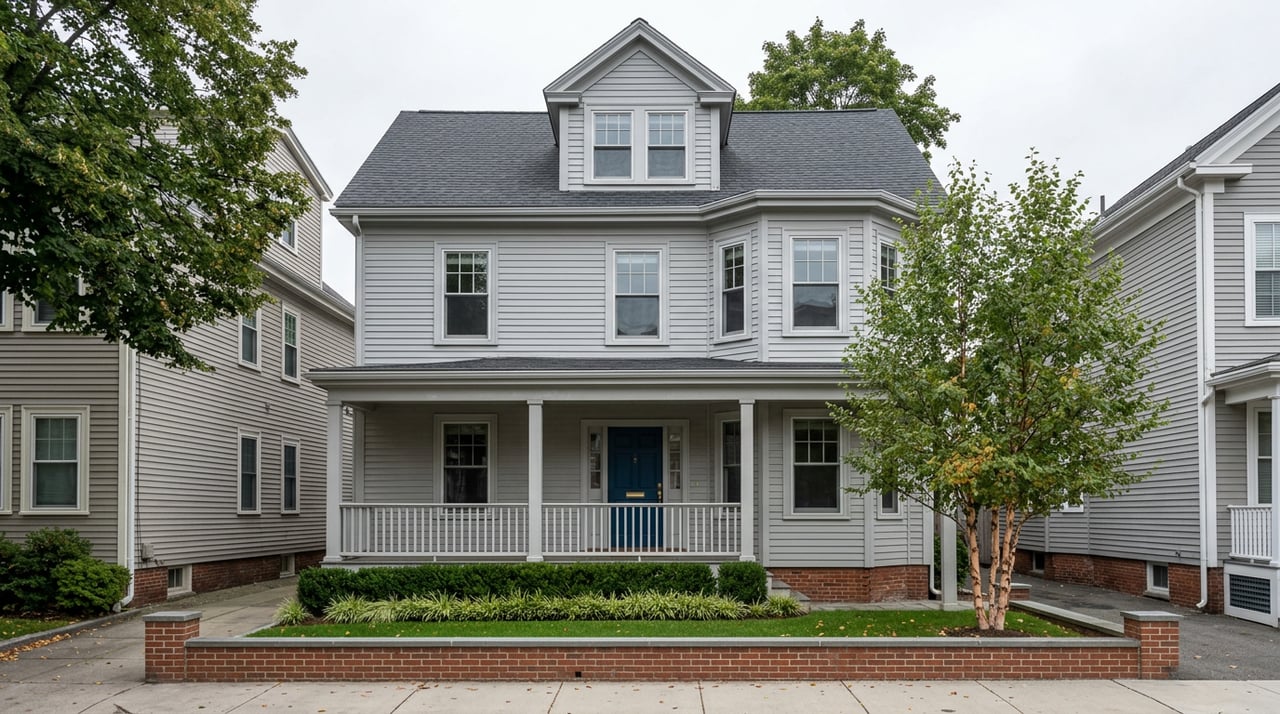
Why Downtown Pawtucket Multi-Family Listings Are Taking Longer to Go Under Agreement
September 24, 2026
September 24, 2026
If you have been comparing multi-family listings across Pawtucket this year, you have probably noticed something that does not add up. Citywide, two- and three-family properties are moving fast. In June 2026, multi-family listings across Pawtucket carried a median list price near $600,000 and spent an average of just 23 days on the market before going under agreement. That is the kind of pace that makes buyers feel like they need to write an offer before they finish the walkthrough.
Then you look at Downtown Pawtucket specifically, the neighborhood sitting closest to Centreville Bank Stadium and the newly rebuilt Pawtucket-Central Falls Transit Center, and the story flips. As of April 2026, multi-family listings in that exact corridor were priced between $560,000 and $750,000, essentially the same range as the citywide figure, but they were sitting on the market for an average of 67 days. Almost three times as long.
That gap is not noise. It is the market telling you something specific about what buyers already know and sellers are still catching up to.
It would be reasonable to assume the opposite. Downtown Pawtucket has absorbed more public and private capital in the past three years than any other part of the city. Centreville Bank Stadium opened in May 2025 as the new home of Rhode Island FC. The Pawtucket-Central Falls Transit Center has been running commuter rail service since January 2023, and its passenger amenity building, with an indoor waiting room and real-time arrival screens, opened in January 2026. At that ribbon cutting, U.S. Senator Jack Reed told reporters the surrounding development was expected to bring roughly 1,000 additional housing units to the area over the next several years, aimed specifically at reducing housing costs.
That is the kind of headline that usually pushes buyers to move faster, not slower. So why are multi-family listings in exactly this footprint taking longer to go under agreement?
Here is what the citywide multi-family numbers do not show you, because they are averaged across the whole map. In the same corridor where these slower-moving listings sit, several concrete residential projects are either under construction or moving through city approvals right now.
The city's own development agency is advancing three finalist proposals for the long-vacant Apex building, the former department store the city bought in 2021 for $17.7 million, according to Boston Globe reporting from late August 2026. The proposals on the table include new housing, a hotel, and retail space, and city officials described the goal as maximizing the site's redevelopment potential in a corridor already anchored by Tidewater Landing.
Tidewater Landing itself entered its next construction phase in June 2026, with crews installing the infrastructure needed to support two planned apartment buildings of 300 units each, 600 units total, wrapped around a parking structure along the Seekonk River.
A few blocks away, the Pawtucket City Council approved a 15-year tax stabilization agreement in 2025 for a developer to convert the former mill at 327 Pine Street into an 84-unit market-rate rental building, with an estimated completed value of more than $17 million once finished.
And at 180 Weeden Street, a smaller but telling project: a 19-unit conversion of a mill building originally built in 1882, walking distance from the train station, with the developer targeting completion by early summer 2027 according to Valley Breeze coverage of the site.
None of these are rumors or renderings from five years ago that never broke ground. They are at different stages, from active construction to proposals still being advanced by the city, and all are in the same few blocks where existing multi-family sellers are trying to move their properties.
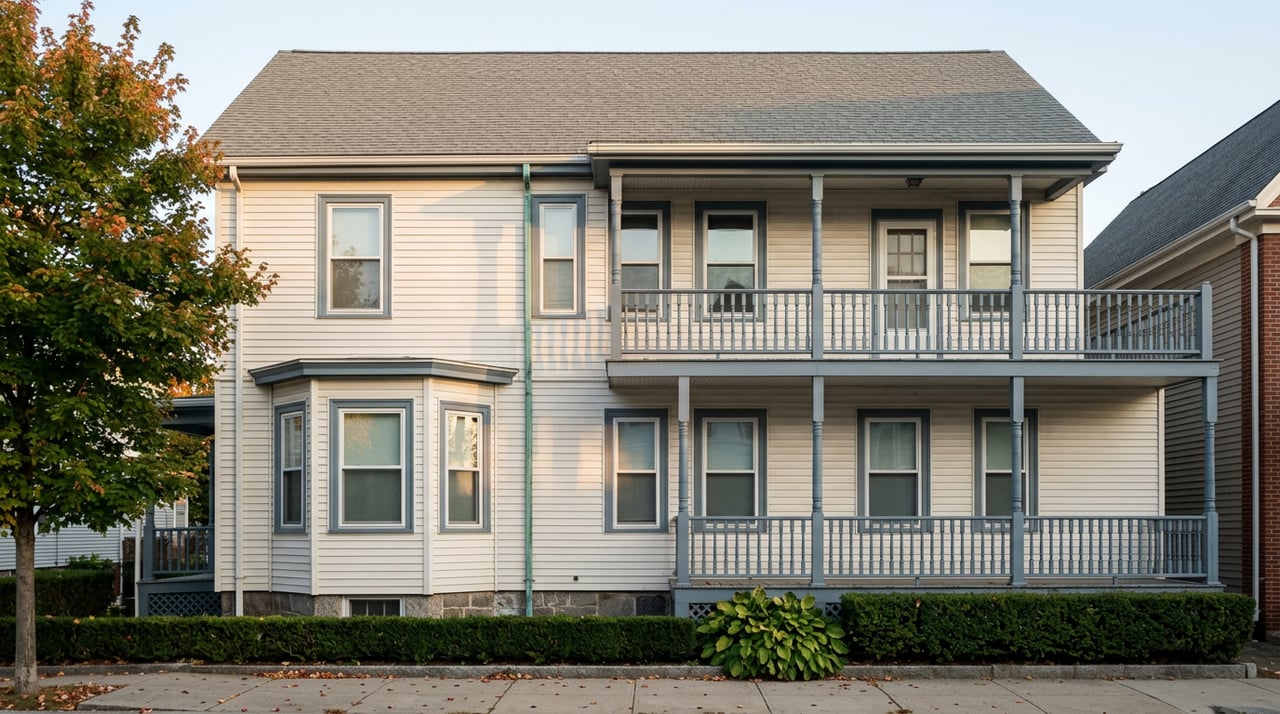
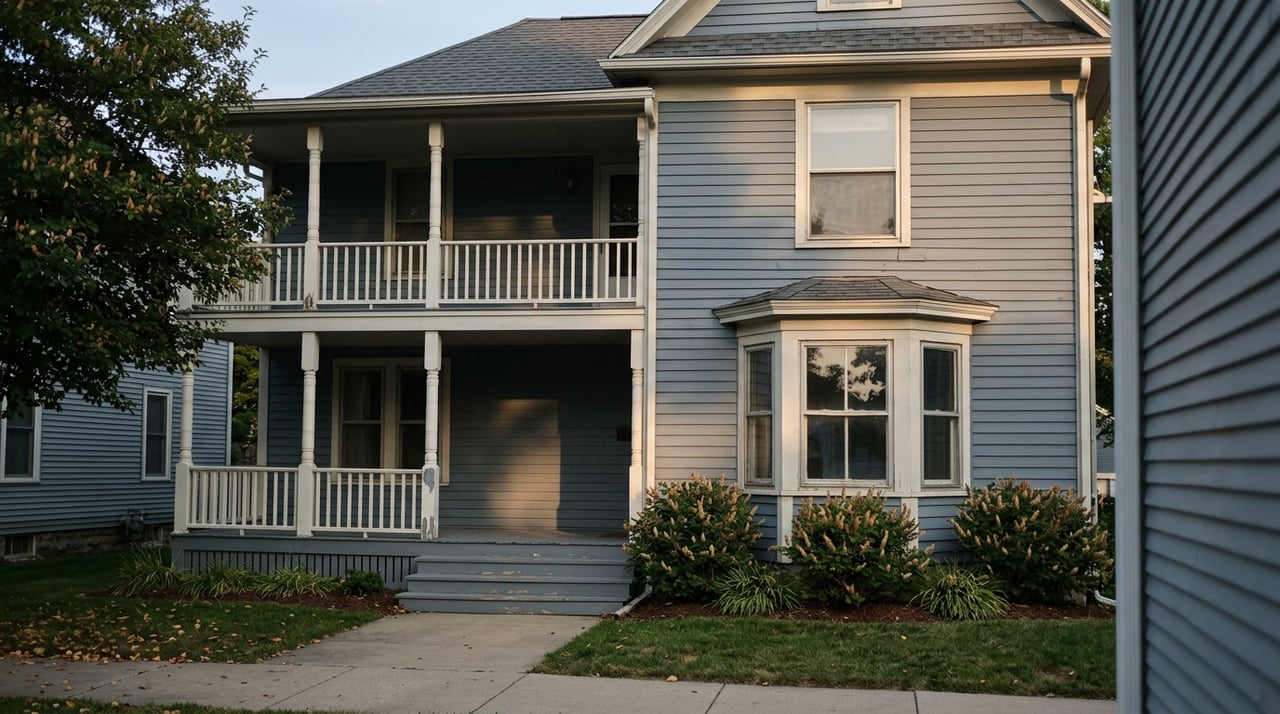
If you are shopping for a two- or three-family property as a small investor, your return depends on what you can charge in rent two, five, ten years out. A brand new 84-unit building with modern mechanicals and amenities a century-old converted Colonial Revival cannot easily replicate is a direct competitor for the same tenant pool, not a neighbor you can ignore.
That is the calculation showing up in the days-on-market gap. A buyer looking at an existing multi-family listing in Downtown Pawtucket right now is not just pricing the building. They are pricing the building against roughly 700 additional units of new competing supply that will hit the local rental market within the next few years, between Tidewater Landing's two towers, the Pine Street conversion, and the Weeden Street project alone. That is before the Apex site even breaks ground.
This is not a new pattern for Pawtucket. Mill conversions added more than 1,000 new residential units to the city between 2004 and early 2020, according to reporting from Multi-Housing News. Downtown has absorbed waves of new supply before. What is different this time is the concentration. Multiple large projects are landing in the same few blocks in the same two-year window, which means the rent competition is not spread across a decade, it is compressed into one.
Part of the corridor also sits inside a federally designated Opportunity Zone, which gives investors a tax incentive to fund exactly this kind of ground-up construction. That incentive is good for the neighborhood's long-term tax base, but it also means the pipeline of new competing units is likely to keep growing rather than pause.
The citywide 23-day, multiple-offer pace you see in market reports is not evenly distributed. It is concentrated in neighborhoods like Oak Hill, Darlington, and Woodlawn, all outside the Tidewater Landing and Apex footprint, where a buyer is competing against existing rental stock rather than a known pipeline of new construction. In those areas, the seller is not asking you to underwrite three years of rent pressure from a building that has not been built yet. That is a simpler deal to price, and the days-on-market numbers reflect it.
None of this means Downtown Pawtucket is a bad place to buy. The stadium, the transit center, and the reinvestment happening across the corridor are real, and they will likely support values over the long run once the current construction wave gets absorbed. But a buyer who treats the neighborhood's headline momentum as a reason to skip due diligence on rent comps is missing exactly what the longer days-on-market figures may be signaling.
If a downtown multi-family listing has been sitting for 60 or more days, do not assume something is wrong with the building. Ask what is happening within a half-mile radius first. A seller in this corridor who understands the incoming supply will often be more open to negotiating on price or terms than a seller in Oak Hill fielding five offers in three weeks. That gap in urgency is where a patient investor with accurate rent projections can find real value, provided the offer accounts for what is actually about to get built next door.
If you are comparing a fast-moving listing in an outer neighborhood against a slower one downtown, the right question is not which one is priced better today. It is which one you can hold profitably once every unit currently under construction within walking distance is finished and leased.
That is the kind of comparison that does not show up in a portal search filter. It comes from knowing which projects are permitted, which are financed, and which are just renderings, and pricing your offer accordingly.
If you are weighing a multi-family purchase anywhere in Pawtucket, Luis Rodrigues can walk through the current pipeline block by block and help you build an offer that accounts for what is actually coming, not just what the comps say today. Schedule a free consultation to talk through the numbers before you write anything.
This article is general information, not legal, tax or financial advice. Consult a qualified professional about your situation.


Luis is here to help you throughout your entire home buying and selling process. Trying to do it all on your own can be burdensome. He will find you homes within your price range, help you find buyers, assist you with paperwork, and more.